A Simple Way to Log Heat-Related Incidents
As peak summer temperatures settle over construction and industrial operations, managing climate hazards becomes a daily priority. When a workforce battles extreme temperatures, logging heat-related incidents quickly is a critical operational necessity. Unfortunately, traditional safety processes often introduce an administrative lag that leaves a company exposed to unnecessary liabilities.
Slow Incident Documentation Multiplies Jobsite Risk
When a company manages safety with physical paperwork, an incident report log rarely occurs in real time. Waiting days to report minor exhaustion delays critical operational adjustments that could prevent a more severe medical emergency. If the safety department does not know that a specific crew is struggling with high temperatures, it cannot proactively intervene. Simply put, a slow tracking system turns minor, treatable issues into systemic operational threats.
Upgrading Your Incident Management Flow with Mobile Apps
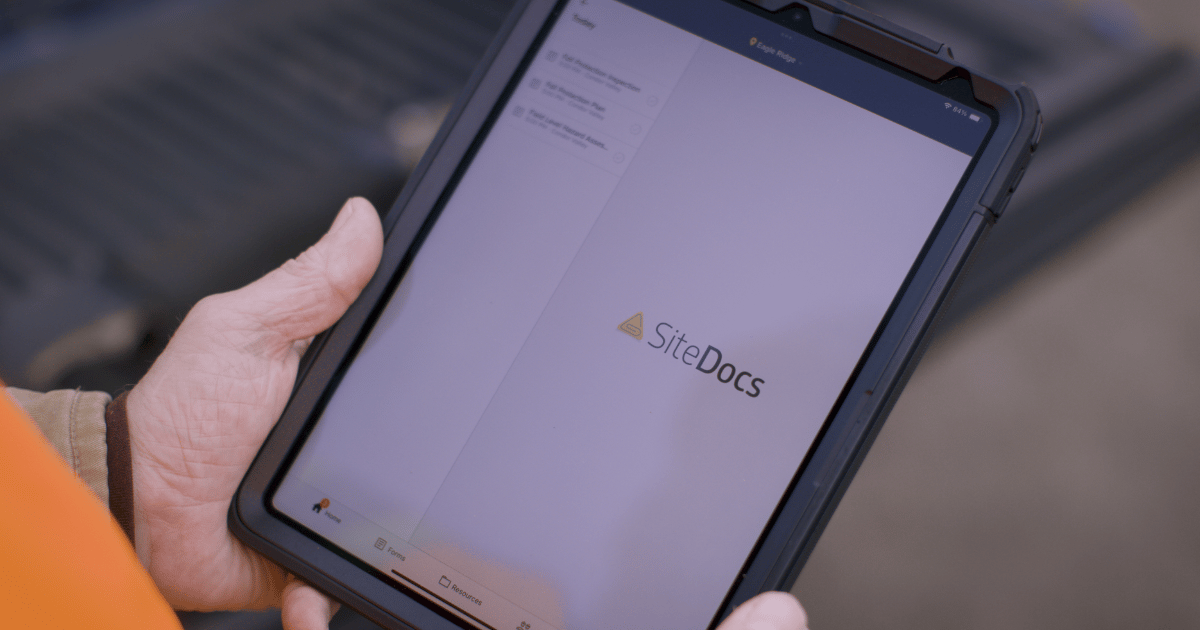
The most effective way to eliminate administrative lag is to put intuitive safety tools directly into the hands of your field crews. Transitioning to digital forms allows an organization to instantly capture field data without adding complexity to the workday. This modernization simplifies safety workflows and establishes a direct line of communication across the entire company.
Utilizing Digital Incident Forms for Immediate Field-to-Office Communication
Moving away from manual entry systems allows teams to log data in seconds. A direct field-to-office incident management system allows you to:
- Access specialized digital incident forms directly from any smartphone or mobile tablet.
- Record incident details, worker symptoms, and immediate field responses right from the active work zone.
- Send completed safety records directly to the office with a single tap, completely bypassing manual transit loops.
This direct communication ensures that the safety department is notified as soon as a risk emerges. It removes the administrative burden from local supervisors, leaving them free to focus on supporting their crew instead of filing paperwork.
Capturing Real-Time Documentation of Site Conditions and Symptoms
An incident report log is only as valuable as the quality of the data it contains. Paper forms often lack context because details are filled out from memory long after an event took place.
Using safety management software enables real-time documentation of exact jobsite variables. Supervisors can log precise weather indexes, record specific physiological symptoms, and attach live photos of local shade and water setups. Because this data is captured instantly, the company builds an indisputable, timestamped record of environmental compliance. This detailed visibility ensures your company is always prepared for an unexpected regulatory safety audit.
Deploying Swift Corrective Actions to Prevent Repeat Occurrences
Gathering field data is just the first step; true safety management requires translating that data into immediate protection for your workforce. When safety records are centralized in a digital corrective action system, an organization can use its data loops to deploy swift corrective actions before another worker is impacted.
If the main office sees a sudden spike in heat fatigue logs from a specific jobsite, it can take immediate operational steps. More specifically, management can dynamically adjust work schedules to shift heavy labor to cooler morning hours, order additional electrolyte supplies, or establish extra shaded rest areas. This responsive approach demonstrates to your entire crew that their health and safety are treated as top corporate priorities.
Building a Trust-Driven Safety Network
Protecting a modern workforce requires a commitment to transparent, fast, and consistent communication. Centralizing your documentation, incident tracking, and field safety checks gives your organization the tools it needs to eliminate administrative lag and manage seasonal hazards successfully.
SiteDocs® helps organizations improve safety, simplify compliance, and stay audit-ready through centralized, real-time safety documentation. Transitioning your safety systems to an intuitive digital environment allows you to maximize field visibility, minimize operational risk, and keep your crews fully supported on the jobsite. To see how digital incident forms can improve your summer safety workflows, book a demo with our team today.
Frequently Asked Questions
A heat incident refers to an event wherein workers are exposed to excessive heat, leading to heat stress or heat-related illnesses. These incidents are common in high-temperature environments and can result in conditions such as heat exhaustion or heat stroke. Recognizing and addressing heat incidents promptly is crucial for worker safety.
Real-time logging is important for heat incidents because it enhances response times and ensures accurate data collection. By receiving instant alerts, safety managers can quickly address incidents, potentially preventing escalation. Additionally, real-time data supports compliance with safety regulations and helps identify trends to inform preventive measures.
Safety managers can implement real-time logging systems by selecting the right technology, providing comprehensive training, and integrating the system with existing safety protocols. Involving key stakeholders and ensuring alignment with organizational needs are essential for successful implementation and maximizing the system's benefits.
Best practices for managing heat incidents include developing comprehensive safety protocols, conducting regular audits, and leveraging real-time data for continuous improvement. Engaging employees in safety initiatives and fostering a culture of open communication can also enhance the effectiveness of heat incident management.
Future trends in safety technology include the integration of artificial intelligence and wearable technology. AI can enhance predictive capabilities and automate safety tasks, while wearable devices provide real-time insights into worker health. These advancements offer new opportunities for improving workplace safety and efficiency.
Read More
Leading vs. Lagging Safety Indicators: What Should You Track?
Learn the difference between leading and lagging safety indicators, which metrics to track, and how they give a clearer view of safety performance.

How to Build a Broker-Ready Workers’ Comp Renewal Kit
Learn how to organize safety records, leading indicators, incident data, and corrective actions into a broker-ready workers’ comp renewal kit.
What Safety Data Do Insurance Brokers and Underwriters Look for?
Learn which safety metrics can help brokers and underwriters understand risk management, from training coverage to corrective action follow-through.
SafeTrades NEW
Safety Consultant Program