

How Do Hazard Management Tools Help Identify and Control Risks Before They Become Incidents?
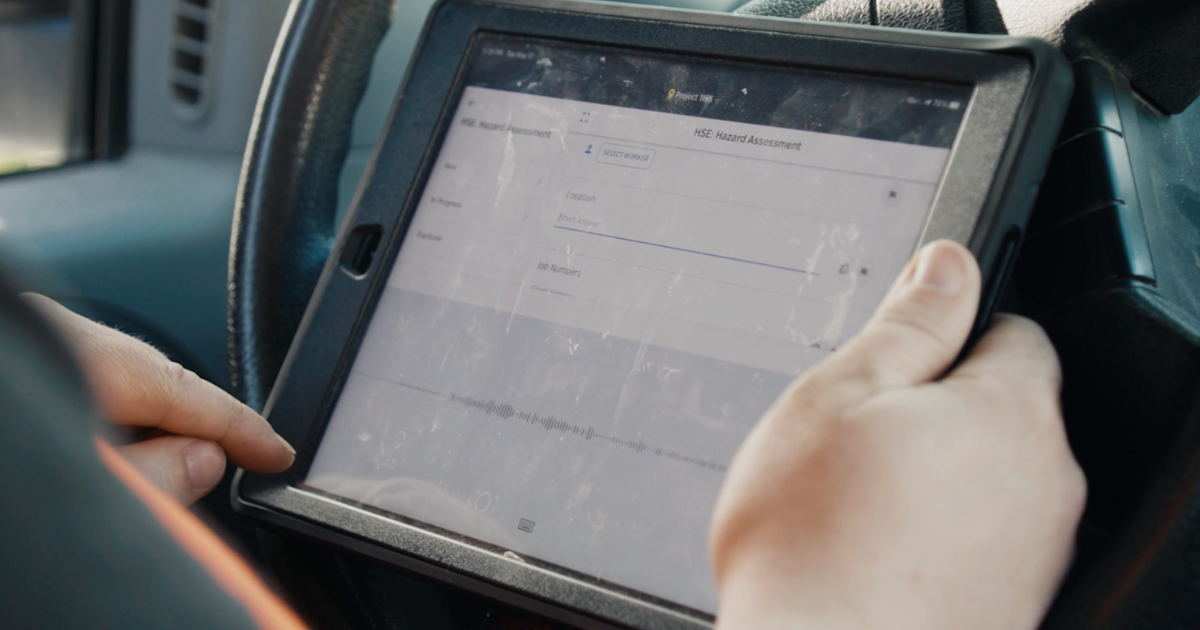
Hazard management software helps jobsite teams spot hazards early, assess risks, assign controls, and monitor outcomes in one digital workflow. Crews shift from reacting to incidents to preventing them with clearer visibility, faster documentation, and consistent follow through.
While paper binders and scattered forms slow hazard identification and often leave teams guessing which risks matter most, a digital platform lets workers capture hazards live on site with photos, notes, and location details. This creates an accurate record that safety leaders can review immediately instead of waiting for paperwork to arrive.
Risk assessment tools help teams evaluate severity and likelihood so they can prioritize the hazards that pose the greatest threat. When risk levels are consistent and easy to compare, supervisors can make faster decisions about what to fix and when.
Assigning and tracking control measures keeps the workflow moving. Each hazard can be paired with specific actions, responsible staff, and deadlines. Automated reminders help maintain accountability, and progress tracking shows which controls are complete, overdue, or still pending.
Centralized monitoring supports proactive prevention via dashboards that reveal patterns across jobsites, including recurring hazard types and areas where controls fail to hold. With this insight, safety teams can address systemic issues before they lead to injuries or near misses.
Live hazard capture keeps crews aligned in real time. When a new risk appears, anyone on site can report it instantly. Supervisors can then respond quickly, update controls, and communicate changes across the team, reducing exposure and strengthening situational awareness.
A digital platform also supports audit readiness by keeping hazard records organized, searchable, and backed with clear documentation. This helps teams show how risks were identified, evaluated, and resolved.
Teams looking to improve hazard control can explore the Hazard Management solution from SiteDocs®. To learn more, visit the SiteDocs website or request a demo today.
Read More

Worker Orientation: Bridging the New Hire Field Gap
Ensure new hires are site-ready with effective worker orientation strategies. Bridge the gap between classroom knowledge and field performance.

The First 48 Hours: Rapid Onboarding Checklists
Ensure operational readiness in 48 hours with rapid onboarding checklists. From electronic processes to compliance, make new hires productive fast.
Ensuring Accurate Safety Data During Winter Operations
Learn how to maintain accurate safety data during winter operations. Discover strategies that improve decision-making and reduce winter risk.


Safety Consultant Program