
Ensuring Accurate Safety Data During Winter Operations
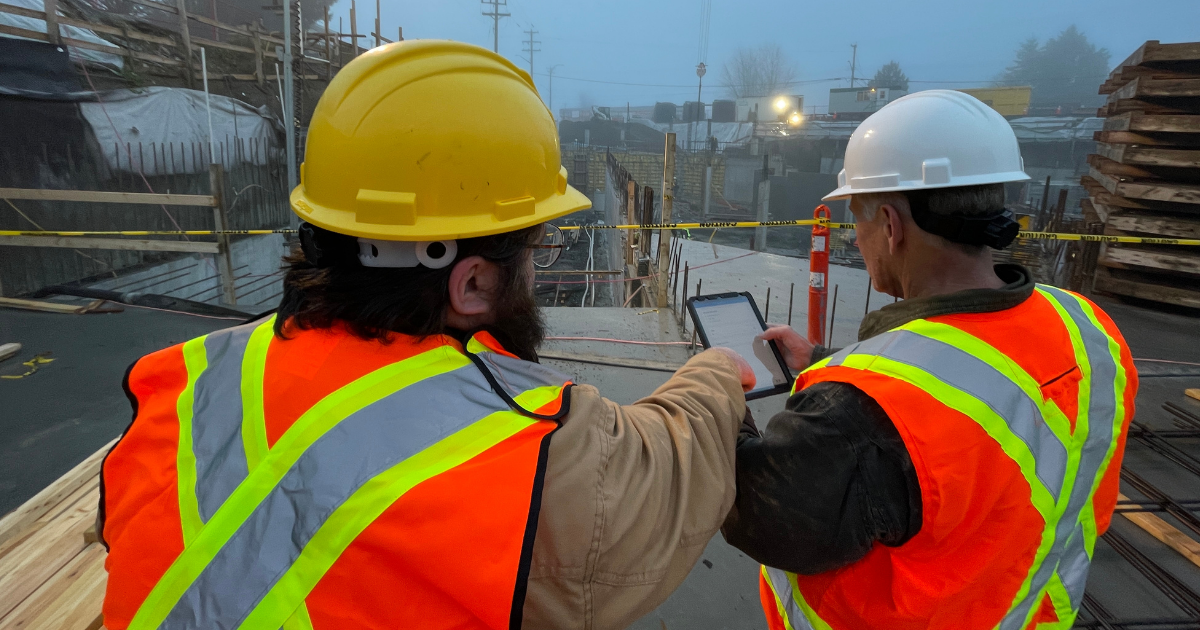
Winter operations place extra strain on jobsites and on the quality of information that safety teams rely on. Snow, ice, cold temperatures, and reduced daylight increase hazards while making it harder to collect complete and timely safety data. Accurate data is essential for making informed decisions and preventing repeat incidents during high-risk winter conditions.
When safety data is incomplete or delayed, risks multiply. Strong processes and the right technology help teams maintain data accuracy even when conditions are at their worst.
The Role of Safety Data in Managing Winter Risk
Winter safety data in the workplace often reflects rapidly changing conditions. A surface that was safe in the morning may become hazardous within hours, and inaccurate reporting can hide these shifts. Reliable safety data allows leaders to identify emerging risks, prioritize controls, and protect workers before incidents escalate.
Poor data quality leads to missed trends, slower responses, and weaker decision-making. Accurate winter work safety data supports proactive planning and helps teams apply winter working safety tips based on real conditions, not assumptions.
Common Winter Challenges That Impact Safety Data
Winter conditions create obstacles that directly affect data accuracy. Gloves, cold hands, and rushed reporting can result in incomplete entries, while paper forms may be damaged or lost in snow and moisture. Delayed submissions also reduce the value of safety data when conditions change quickly.
Without consistent processes, winter safety tips in the workplace may not align with the actual hazards crews are facing. Addressing these challenges starts with simplifying how data is collected and reviewed.
Use Incident Management Software to Improve Data Accuracy
Incident management software plays a critical role in maintaining accurate safety data during winter. Digital tools reduce manual errors and allow crews to capture information directly from the field as conditions unfold.
These systems help teams:
- Record incidents and observations immediately.
- Standardize data fields for consistency.
- Attach photos to document winter hazards.
- Centralize safety data for easier review and analysis.
By relying on technology instead of paper-based processes, teams improve reliability and gain clearer visibility into winter safety conditions. You can explore how accurate, centralized data supports real-world safety improvements by reviewing the BA Blacktop case study.
Turn Accurate Safety Data Into Better Decisions
Accurate safety data is only valuable if teams use it effectively. Regular reviews help safety leaders identify patterns related to weather, location, or time of day, generating insight that supports targeted controls, improved training, and better winter planning.
Ultimately, accurate data strengthens audits, informs winter work safety data reviews, and supports continuous improvement. Over time, teams build a stronger safety culture grounded in facts instead of guesswork.
Strengthen Winter Safety With Reliable Data
Accurate safety data is the foundation of safer winter operations. By combining clear processes with tools like incident management software, safety managers can improve data quality, avoid common winter pitfalls, and make faster and more confident decisions.
Online safety management software like SiteDocs® helps teams capture reliable safety data in real time and maintain visibility across winter operations.
Frequently Asked Questions
Accurate safety data during winter operations allows safety leaders to identify emerging hazards, prioritize controls and protect workers before incidents escalate. Winter conditions change rapidly, and a surface that was safe in the morning can become hazardous within hours, making reliable data essential for timely decisions. When safety data is incomplete or delayed, teams miss critical trends and respond more slowly to real risks. Poor data quality weakens decision-making and can cause winter safety measures to be based on assumptions rather than actual jobsite conditions. Consistent, accurate records give managers the factual foundation they need to plan effectively and prevent repeat incidents.
The role of safety data in managing winter risk is to give teams a clear, current picture of changing hazard conditions so they can act before incidents occur. Without reliable data, safety leaders are essentially guessing about where risks are highest. Winter jobsite conditions shift quickly due to snow, ice, temperature drops and reduced daylight. Safety data helps managers identify patterns tied to weather, time of day or specific work areas. This insight supports targeted controls, better resource allocation and more effective training. Teams that treat safety data as a decision-making tool rather than a reporting formality are better positioned to protect workers throughout the winter season.
Cold hands, gloves and rushed reporting are among the most common reasons safety data becomes inaccurate during winter. Workers completing paper forms in freezing temperatures often submit incomplete entries, and paper documents can be damaged or lost in snow and moisture. Delayed submissions are another significant problem. When reports are filed hours after an incident or observation, the data loses value because conditions may have already changed. Without consistent collection processes, the safety information teams rely on may not reflect actual hazards crews are facing. Addressing these challenges means simplifying how data is captured and reviewed, especially in difficult field conditions.
Incident management software helps improve data accuracy in winter by allowing crews to record incidents and observations directly from the field as conditions unfold, reducing the delays and errors that come with paper-based reporting. Digital tools replace manual entry with standardized fields that keep data consistent. These systems also allow workers to attach photos to document winter hazards in real time, giving safety managers visual context alongside written reports. Centralizing all safety data in one place makes it easier to review trends and act on findings quickly. By removing paper from the process, teams gain clearer visibility into jobsite conditions and build a more reliable record of winter safety activity.
Safety teams can turn accurate winter safety data into better decisions by conducting regular reviews that surface patterns related to weather, location and time of day. These patterns point to specific risks that targeted controls and updated training can address directly. Accurate data also strengthens safety audits and supports continuous improvement over time. When decisions are grounded in real field information rather than assumptions, teams can apply winter safety measures that match actual conditions. Over time, this approach builds a stronger safety culture where workers and managers trust the information they are working with and can respond to changing winter hazards with confidence.
Read More

How to Build a Safety Observation Program That Identifies Risk Early
Build a safety observation program that helps identify hazards early. Learn six steps for observations, reporting, analysis, and follow-up.
Contractor Prequalification Checklist: What to Verify Ahead of Time
Use this contractor prequalification checklist to review licenses, insurance, safety records, and certifications before work begins.

Is Your Safety Program Ready for Workers’ Comp Renewal?
Prepare for workers’ comp renewal with organized safety data, incident records, leading indicators, and documentation to support broker conversations.


SafeTrades NEW
Safety Consultant Program