

How Should Jobsite Teams Handle Incident Reporting and Investigation for Faster Resolution?
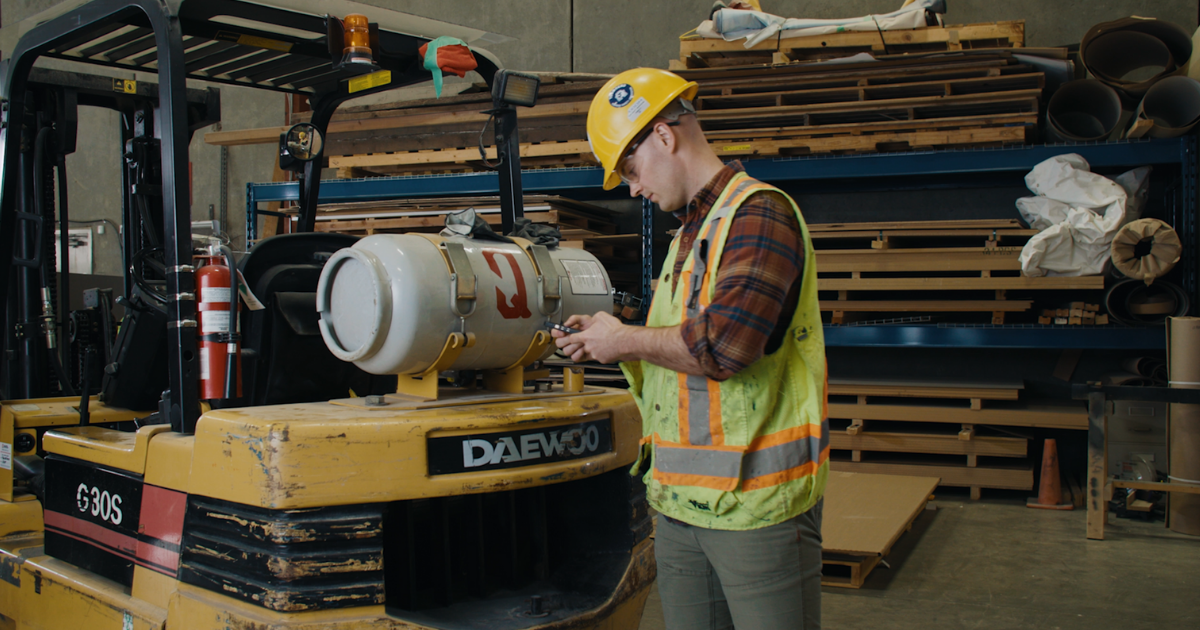
A digital incident reporting system speeds up capture, notification, investigation, and resolution by giving field teams a single place to document events and launch corrective actions. This improves accuracy, shortens response times, and helps supervisors close incidents with clearer insight.
Field teams often face delays when reports rely on paper forms or scattered communication. A mobile digital tool lets workers submit incidents, injuries, and near misses from the jobsite as they happen. Photo and GPS capture provides accurate context so investigators can review conditions without waiting for follow up.
Once a report is submitted, automated notifications alert supervisors and safety staff. This removes the lag between an event and the start of an investigation, with auto-triggered workflows guiding teams through each step so no detail is missed. Clear task assignments keep everyone aligned and help the investigation move forward without manual coordination.
Centralized documentation helps teams track evidence, interviews, timelines, and corrective actions in one place to prevent data from being lost across emails or separate files. It also gives investigators a complete view of the event, which leads to stronger findings and faster decisions.
Dashboards support root-cause analysis by organizing incident trends and highlighting recurring hazards. When teams can see patterns in real time, they’re able to address underlying issues instead of reacting to individual events. This supports a safer jobsite and builds a culture where reporting is consistent and valued.
Digital reporting also helps verify that corrective actions are completed. Supervisors can monitor progress and close out tasks with clear documentation to ensure accountability and reduce the chance of repeat incidents.
Teams that want to strengthen incident reporting can explore the SiteDocs Incident Management solution. To learn more, visit the SiteDocs® website or request a demo today.
Read More
Leading vs. Lagging Safety Indicators: What Should You Track?
Learn the difference between leading and lagging safety indicators, which metrics to track, and how they give a clearer view of safety performance.

How to Build a Broker-Ready Workers’ Comp Renewal Kit
Learn how to organize safety records, leading indicators, incident data, and corrective actions into a broker-ready workers’ comp renewal kit.
What Safety Data Do Insurance Brokers and Underwriters Look for?
Learn which safety metrics can help brokers and underwriters understand risk management, from training coverage to corrective action follow-through.
SafeTrades NEW
Safety Consultant Program