What Is MRO Management? Why Maintenance Matters for Safety Maintenance, repair, and operations (MRO) are vital aspects of any industry, ensuring that equipment, machinery, and facilities are functioning safely and efficiently. Whether an organization is focused on...
Management of Change: A Simple Safety Guide In high-risk industries, the management of change (MOC) process is critical for maintaining safety and compliance. When companies make modifications, new risks must be assessed and managed. Without a proper MOC system,...
Verification of Competency: How to Ensure Worker Skills Verification of competency (VOC) is a critical safety practice in high-risk industries, including construction, oil and gas, and manufacturing. It ensures that workers have the necessary skills, knowledge, and...
The Difference Between Corrective and Preventive Action (CAPA) Corrective and preventive action, often referred to as CAPA, is a structured approach used in safety management systems to correct problems and prevent their recurrence. Industries operating under ISO...
How to Lower Your Lost Time Injury Rate (LTIR) Lowering your lost time injury rate (LTIR) depends on capturing accurate incident data, understanding why injuries occur, and applying safety measures that prevent recurrence. LTIR is a standard Occupational Safety and...
The Year-End Audit for Expiring Worker Certifications A year-end audit gives employers a clear view of certification expiration dates across the workforce and contractor teams. This review helps HR and safety leaders verify current certifications, plan renewals, and...
The Best Data Collection Techniques for EHS Accurate EHS data helps companies identify hazards, improve controls, and make informed decisions that protect workers. The strongest methods of data collection make information clear, consistent, and ready for analysis...
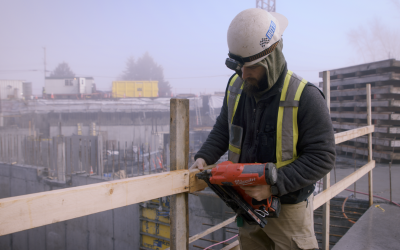
Winter Equipment Maintenance Software for Safety Compliance As winter sets in, equipment reliability becomes a critical safety concern on construction sites, industrial facilities, and transportation yards. Cold temperatures, ice buildup, and reduced visibility can...
Top 5 Jobsite Winter Safety Tips for AEC Workers When temperatures drop, so does jobsite safety. Ice, snow, and limited daylight increase the risk of slips, equipment failures, and exposure-related illnesses. For AEC professionals—architects, engineers, and...
Identifying Hazards Before They Cause Accidents Workplace accidents rarely happen without warning signs. In most cases, dangers are present long before an incident occurs—they simply go unnoticed or unaddressed. That’s why hazard identification is one of the most...




Recent Comments