
Why Every Construction Business Needs a Safety Management System
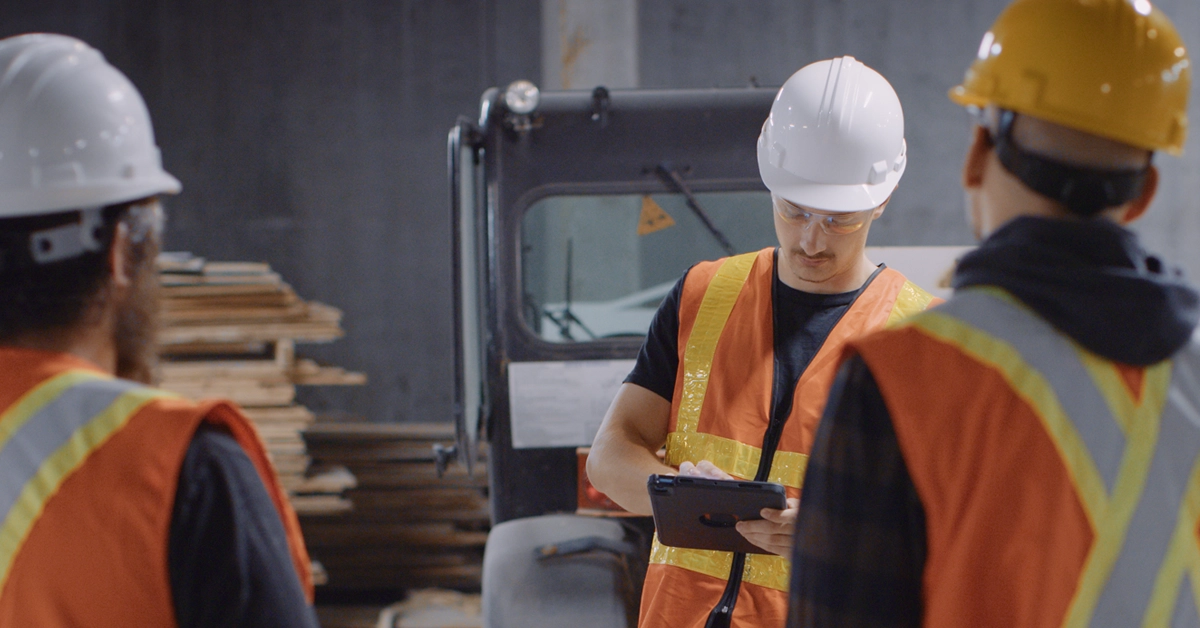
In the dynamic world of construction, ensuring the safety of workers isn’t just a compliance checkbox—it’s crucial for the success and longevity of your business. Safety managers and construction companies are increasingly recognizing the importance of a well-structured safety management system. But what exactly is a safety management system, and why should your business have one?
This blog post will explore the key components and benefits of implementing a safety management system, offering insights into its real-world application. Whether you’re new to safety management or looking to refine your existing practices, this guide will provide valuable information to enhance workplace safety and operational efficiency.
What Is a Safety Management System?
A safety management system (SMS) is a systematic approach to managing safety, complete with organizational structures, accountabilities, policies, and procedures. It’s designed to create a safer work environment by proactively identifying, assessing, and mitigating risks.
For businesses in the construction industry, an SMS is essential to prevent accidents, comply with regulations, and promote a culture of safety. By prioritizing risk management and continuous improvement, an SMS enables companies to safeguard their workforce and assets.
To gain a deeper understanding of safety management systems, check out our comprehensive guide.
The Key Components of an Effective Safety Management System
An effective safety management system is built on several core components, each playing a vital role in achieving safety objectives. Understanding these components can help your organization implement a robust SMS tailored to your needs.
- Policy and Planning: Establishing a clear safety policy and setting measurable safety goals is the foundation of any SMS. This involves defining roles and responsibilities and developing a plan to achieve safety objectives.
- Risk Assessment and Management: Regularly identifying and evaluating potential hazards is crucial. An effective SMS includes procedures for assessing risks, implementing controls, and monitoring their effectiveness.
- Training and Communication: Ensuring that all employees are trained in safety practices and aware of safety protocols is essential. Open communication channels facilitate the sharing of safety-related information and feedback.
- Incident Investigation and Reporting: A robust SMS includes processes for investigating incidents, identifying root causes, and implementing corrective actions to prevent recurrence.
- Performance Monitoring and Review: Continuously monitoring safety performance and reviewing the system’s effectiveness enables organizations to identify areas for improvement and make necessary adjustments.
Explore more on the key components of a safety management system in our detailed article.
Benefits of Implementing a Safety Management System
Implementing a safety management system offers numerous benefits that extend beyond compliance. Here are some of the key advantages for construction businesses:
- Enhanced Workplace Safety: An SMS helps identify and address potential hazards before they lead to accidents, creating a safer work environment for employees.
- Reduced Costs and Liabilities: By preventing accidents and injuries, an SMS can significantly reduce costs associated with worker’s compensation claims, legal fees, and insurance premiums.
- Improved Operational Efficiency: A well-implemented SMS fosters a culture of safety and accountability, leading to increased productivity and efficiency. Employees are more confident and focused when they know their safety is a priority.
- Compliance with Regulations: An SMS ensures compliance with industry regulations and standards, reducing the risk of fines and penalties.
- Enhanced Reputation: Demonstrating a commitment to safety can boost your company’s reputation, attracting clients and talent who value a strong safety culture.
Real-World Examples of Safety Management Systems in Action
Safety management systems are being successfully implemented across various construction projects, leading to tangible improvements in safety and efficiency.
SiteDocs is a digital safety management platform that has helped numerous construction companies streamline their safety processes. By utilizing technology to manage safety documentation and reporting, SiteDocs has improved compliance and reduced administrative burdens.
SiteDocs also offers an incident management feature that enables teams to report, investigate, and track incidents. This helps companies identify patterns and proactively address potential hazards.
Want to learn more about SiteDocs? Visit our features page.
How to Implement a Safety Management System in Your Organization
Implementing a safety management system may seem like a daunting task, but with the right approach, it can be a smooth and rewarding process. Here are some steps to help you get started:
- Assess Your Current Safety Practices: Begin by evaluating your existing safety practices and identifying areas for improvement. This will provide a baseline for developing your SMS.
- Define Your Safety Policy and Goals: Establish a clear safety policy and set measurable safety objectives. Involve key stakeholders to ensure alignment and buy-in.
- Develop and Implement Your SMS Framework: Create a comprehensive framework that outlines the processes and procedures for managing safety. Ensure that roles and responsibilities are clearly defined.
- Train and Engage Employees: Provide training to all employees on safety practices and protocols. Encourage active participation and feedback to foster a culture of safety.
- Monitor and Review: Continuously monitor safety performance and review the effectiveness of your SMS. Use performance data to make informed decisions and drive continuous improvement.
By following these steps, your organization can implement a safety management systemAn error occurred during generation.
Frequently Asked Questions
A safety management system (SMS) in construction is an organized framework that helps companies identify, control, and reduce workplace hazards. It combines safety policies, training, risk assessments, and reporting processes to create a safer work environment. By proactively managing safety rather than reacting to accidents, an SMS helps construction businesses protect workers, stay compliant, and maintain productivity.
Every construction business needs a safety management system to protect workers, prevent costly incidents, and maintain compliance with safety regulations. The construction industry faces high-risk conditions daily, and an SMS helps detect potential hazards early and reduce the likelihood of accidents. Companies with a strong safety system also benefit from higher morale, fewer insurance claims, and a stronger reputation among clients and employees.
An effective safety management system includes clear safety policies, risk assessments, employee training, incident reporting, and continuous performance monitoring. Each component works together to identify hazards, implement preventive measures, and track progress toward safety goals. Regular reviews and updates ensure the system stays effective as projects and regulations evolve.
Safety management software provides the digital tools that make an SMS more efficient and reliable. It helps teams perform digital inspections, report incidents in real time, manage training records, and analyze safety performance across multiple sites. By using construction safety software like SiteDocs, companies can streamline compliance, improve communication, and make data-driven safety decisions faster than ever.
A construction company can successfully implement a safety management system by assessing current practices, setting clear safety goals, and developing a structured framework with defined responsibilities. Training employees and involving them in the process builds commitment and accountability. Once the system is in place, ongoing monitoring, audits, and regular reviews ensure it remains effective and evolves with company needs.
Contractors prefer SiteDocs because it combines all aspects of safety management into one simple system. It supports digital forms, worker certifications, equipment checks, and real-time communication between crews and supervisors. This integrated approach saves time, reduces paperwork, and ensures everyone follows the same safety standards. The platform’s flexibility and proven results make it a trusted option across the construction industry.
Read More

The First 48 Hours: Rapid Onboarding Checklists
Ensure operational readiness in 48 hours with rapid onboarding checklists. From electronic processes to compliance, make new hires productive fast.
Ensuring Accurate Safety Data During Winter Operations
Learn how to maintain accurate safety data during winter operations. Discover strategies that improve decision-making and reduce winter risk.

The Importance of Real-Time Reporting in Winter Operations
Learn why real-time reporting is critical for winter operations and how real-time reporting systems improve incident response and lower jobsite risk.


Safety Consultant Program