
Top Safety Violation Fines & How to Prevent Them
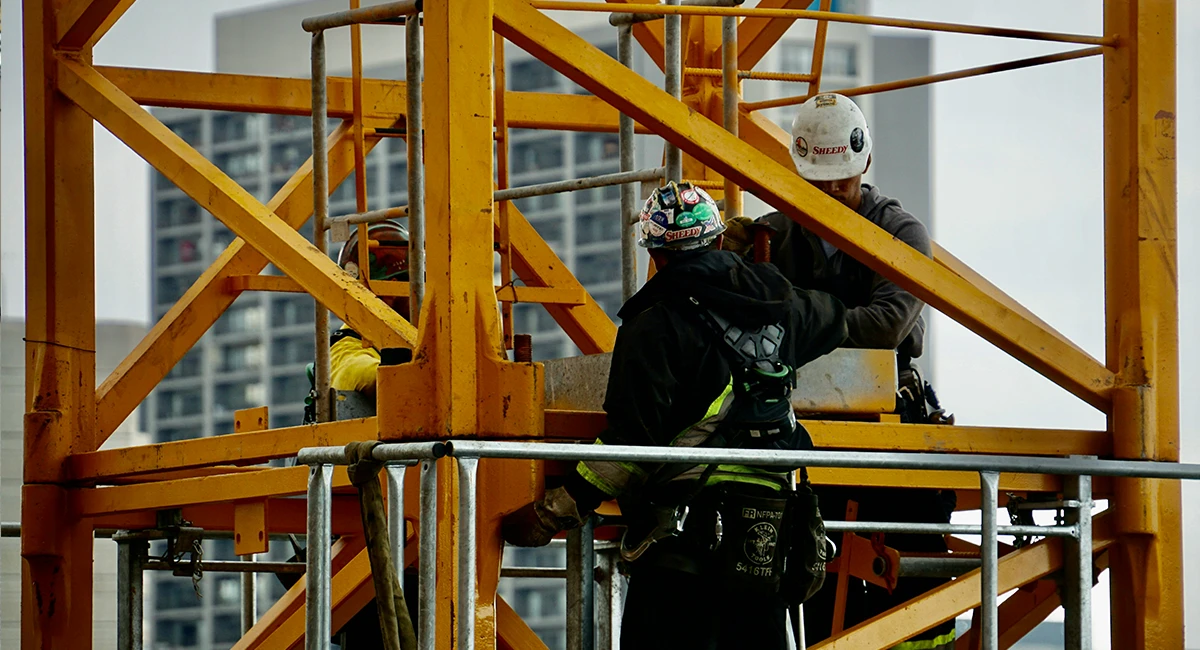
Safety compliance is not just a legal requirement in construction—it’s a critical component of building a responsible, thriving business. Yet, year after year, numerous construction companies face hefty fines due to avoidable safety violations.
Beyond the financial penalties, the repercussions of safety violations include damaged reputations, project delays, and, worst of all, threats to employee well-being. But here’s the good news—many of these violations can be prevented with the right knowledge, tools, and systems in place.
This blog explores the most common safety violations, real-life examples of costly fines, methods to assess workplace safety, and how safety software can help keep your job sites compliant.
Common Safety Violations Leading to Fines
Understanding the typical culprits behind safety fines can help you identify and address potential issues at your job site. According to data from the regulatory agencies, these are the top violations most construction companies face:
1. Fall Protection
Falls are among the most frequent and deadly hazards in construction. Failing to provide adequate fall protection, such as guardrails, safety nets, or harnesses, is at the top of the list of safety violations.
Example Violation: Improper use of safety systems for roof work.
2. Scaffolding Safety
Improper use or setup of scaffolding results in countless injuries annually. Common violations include scaffolding lacking essential guardrails or constructed on unstable surfaces.
Example Violation: Scaffolding designed without weight load considerations.
3. Hazard Communication
Without proper communication about hazardous materials or processes, workers are at risk of exposure to dangerous chemicals or substances. Violations often result from inadequate safety data sheets (SDS) or mislabeled chemicals.
Example Violation: Missing required hazard signage around work zones.
4. Ladders and Stairways
Improper use or defective ladders remain a frequent issue. Violations often arise from using ladders that don’t meet weight and load requirements or failing to inspect them regularly.
Example Violation: Using damaged ladders for work at height.
5. Personal Protective Equipment (PPE)
Failure to enforce PPE use, such as hard hats, safety glasses, gloves, or steel-toed boots, can result in injuries and fines.
Example Violation: Workers not wearing required PPE while operating heavy machinery.
Real-Life Examples of Costly Safety Fines
To highlight the gravity of compliance, here are a few real-life cases where safety violations led to significant penalties:
Case 1: Fall Protection Fine – $1.3 Million
A construction company in Chicago faced a $1.3 million OSHA fine after repeated fall protection breaches. The company failed to provide harnesses for its workers on multi-story buildings. Four falls occurred within a year—two of them fatal.
Case 2: Scaffolding Collapse – $250,000 Fine
A large scaffolding collapse in New York resulted in several injuries and a fine of $250,000. Investigations revealed missing cross braces and improper anchoring, violating OSHA scaffolding safety standards.
Case 3: Hazard Communication – $120,000 Fine
An excavation company handling hazardous chemicals mislabeled various substances, leading to worker exposure. OSHA imposed a $120,000 fine due to improper hazard communication documentation.
These examples underscore how non-compliance not only costs millions but also risks the lives of employees.
How to Assess Your Workplace for Potential Violations
Taking a proactive approach is essential for uncovering hazards before they lead to fines—or injuries. Here’s how to systematically assess your workplace for compliance.
Conduct Regular Safety Audits
Schedule frequent safety inspections and assign a knowledgeable team member to look for violations in fall protection, scaffolding setup, PPE use, and other critical areas. Consistent checks ensure small issues don’t escalate into major problems.
Provide Ongoing Training
Equip employees with the knowledge to stay safe. Mandatory OSHA training sessions should encompass fall prevention, handling hazardous materials, and proper equipment use.
Create an Incident Reporting System
Empower workers to report unsafe conditions anonymously. This allows leadership to address problems they might otherwise overlook.
Perform Risk Assessments for New Projects
Review the project scope and conduct a risk assessment before beginning new builds. Work with safety officers or specialists to identify potential hazards specific to the job site.
Using Safety Software to Prevent Fines
Manually tracking safety compliance can be challenging, especially for construction companies with multiple job sites. That’s where safety software like SiteDocs comes into play.
Streamlined Safety Management
SiteDocs helps you digitize critical safety documentation, making it easier to complete and store audits, employee training records, and compliance checklists—all in one place.
Real-Time Monitoring
With SiteDocs, you can track safety performance across job sites in real time. Identify violations before they result in a fine and take immediate corrective action.
Automated Reminders
Never miss another inspection or training deadline. Automated alerts help ensure you stay consistent with OSHA requirements.
Simplified Reporting
Generate detailed safety reports with just a few clicks. Reliable reporting not only helps you stay compliant but can also protect your company in legal situations.
By investing in safety software like SiteDocs, your company can reduce the risk of violations while building a culture of accountability and safety.
Build a Safe & Fined-Free Future
Safety compliance doesn’t just protect your workers—it protects your company’s bottom line and reputation. By addressing common violations, learning from real-world examples, and using tools like SiteDocs, you can minimize risks and maximize safety across your job sites.
To learn how SiteDocs can help safeguard your business, request a free demo today—and take the first step toward building a safer and fine-free workplace.
Frequently Asked Questions
A violation of OSHA occurs when a company fails to meet safety regulations outlined by OSHA standards for construction and general industry. Violations can result in fines, legal action, and increased risk of workplace injuries, highlighting the importance of proactive safety management.
Construction companies frequently receive OSHA fines for failures in fall protection, scaffolding safety, hazard communication, PPE use, and ladder or stairway safety. These fines can range from thousands to millions of dollars, depending on severity and recurrence.
OSHA penalties can be prevented by conducting regular safety audits, providing ongoing employee training, performing risk assessments, implementing incident reporting systems, and using safety software to monitor compliance in real time.
The OSHA standards for construction and general industry most frequently cited include regulations on fall protection, scaffolding, hazard communication, PPE, and ladder safety. Adhering to these standards reduces fines and ensures worker safety.
If a company receives OSHA citations, it should promptly review the violation, implement corrective actions, document compliance improvements, and use tools like safety management software to prevent recurrence. Timely response helps mitigate penalties and demonstrates a commitment to safety.
Read More

Worker Orientation: Bridging the New Hire Field Gap
Ensure new hires are site-ready with effective worker orientation strategies. Bridge the gap between classroom knowledge and field performance.

The First 48 Hours: Rapid Onboarding Checklists
Ensure operational readiness in 48 hours with rapid onboarding checklists. From electronic processes to compliance, make new hires productive fast.
Ensuring Accurate Safety Data During Winter Operations
Learn how to maintain accurate safety data during winter operations. Discover strategies that improve decision-making and reduce winter risk.


Safety Consultant Program