
Top 5 Jobsite Winter Safety Tips for AEC Workers
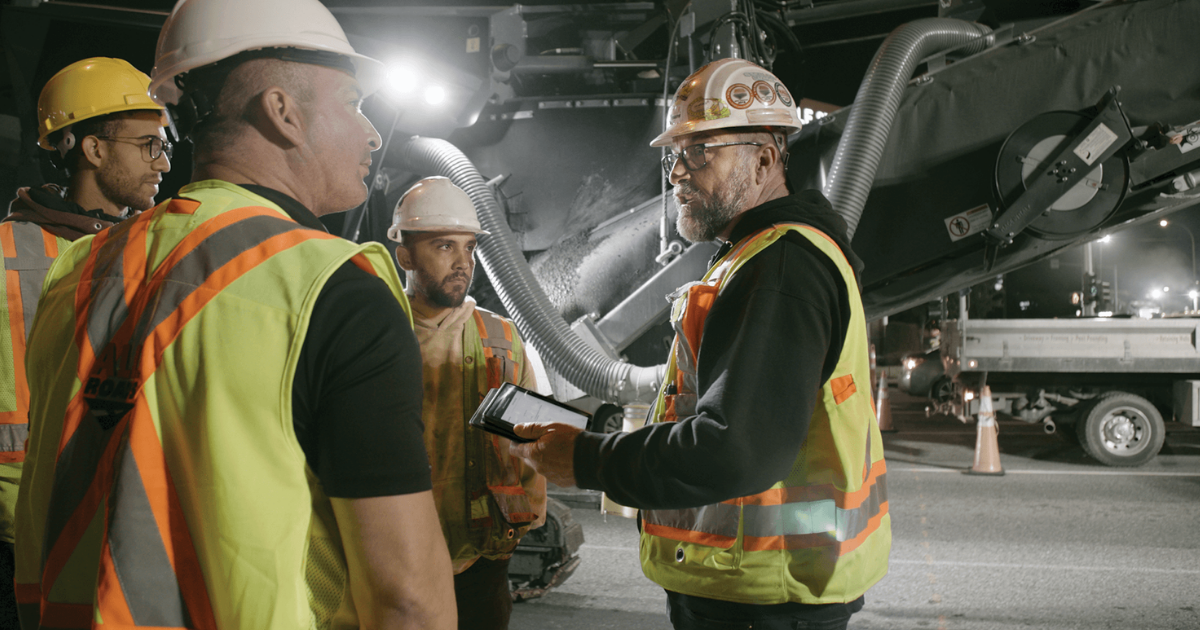
When temperatures drop, so does jobsite safety. Ice, snow, and limited daylight increase the risk of slips, equipment failures, and exposure-related illnesses. For AEC professionals—architects, engineers, and construction workers—winter work safety tips aren’t just about comfort; they’re about compliance, efficiency, and preventing serious injuries.
In this blog, we’ll cover the top five jobsite winter safety tips to keep your team safe, along with exploring how digital tools like SiteDocs® make it easier to stay compliant and productive when working in severe cold weather.
1. Conduct Regular Equipment and Vehicle Inspections
Cold weather conditions can take a toll on heavy equipment, scaffolding, and vehicles. Hydraulic fluids thicken, batteries weaken, and tires lose traction, making inspection management critical.
Using digital inspection management tools, supervisors can schedule and track winter-readiness checks for all assets. This ensures heaters, generators, and vehicles are inspected regularly, reducing the chance of mid-shift breakdowns or safety violations.
Pro tip: Build a winter-specific inspection checklist that includes tire pressure, fluid levels, antifreeze, lighting, and heating systems.
2. Manage Winter Weather Hazards in Real Time
Snow buildup, icy surfaces, and reduced visibility create daily hazards that need immediate attention. A paper-based process can delay reporting and response, but digital hazard tracking eliminates the lag.
With hazard management, workers can report icy walkways, slick ladders, or snow-covered work zones directly from their mobile devices. Supervisors receive instant notifications, ensuring that hazards are resolved quickly and documentation stays compliant with Occupational Safety and Health Administration OSHA safety-in-cold-weather requirements.
Pro tip: Encourage workers to log even “minor” hazards—like melting snow and ice or unlit pathways—to prevent larger slip-and-fall incidents later.
3. Keep Up with Preventive Maintenance
In winter, reactive repairs can quickly escalate into shutdowns, so it’s important to adopt a preventive approach to equipment upkeep. Digital equipment management systems help teams track maintenance schedules for heaters, generators, vehicles, and other essential winter gear.
Automated reminders ensure no piece of equipment is overlooked, and maintenance logs provide an auditable trail for compliance and warranty purposes.
Pro tip: Before the first frost, inspect all cold-weather equipment and stock spare parts (belts, hoses, filters, etc.) that may fail in freezing conditions.
4. Protect Construction Workers from Cold Stress
Hypothermia, frostbite, and trench foot are serious risks for anyone exposed to low temperatures. With this in mind, employers must provide appropriate personal protective equipment (PPE) and training, as required by OSHA’s safety-in-cold-weather guidelines.
Digital tools help by ensuring PPE inspections and distribution are documented. Supervisors can track when gear (like insulated gloves, jackets, and face protection) was issued and verify that it meets winter performance standards.
Pro tip: Rotate crews frequently, set up warming stations, and use digital logs to monitor work-rest cycles during extremely cold environments.
5. Close Out Corrective Actions Promptly
When hazards or equipment issues are identified, closing the loop quickly is essential for safety and compliance. Corrective actions software helps assign, track, and verify that fixes like salting pathways, clearing snow, and repairing frozen equipment are completed promptly.
Supervisors can monitor open actions in real time, reducing liability and ensuring nothing slips through the cracks.
Pro tip: Set up automatic alerts for overdue corrective actions to keep winter hazards from lingering.
How Digital Safety Tools Strengthen Winter Operations
Combining hazard reporting, inspections, equipment maintenance, and corrective actions in one system gives safety teams full visibility and accountability. Instead of juggling multiple spreadsheets or paper logs, AEC professionals can safely and efficiently manage construction in cold weather from any device.
Digital platforms like SiteDocs help ensure:
- Faster response to winter hazards
- Reliable inspection and maintenance tracking
- Consistent compliance with OSHA and CSA standards
- Documented proof of safety diligence during audits
Winter conditions will always challenge safety on the jobsite—but with the right preparation and digital support, challenges become manageable. By applying these jobsite winter safety tips and leveraging connected safety software, AEC teams can stay safe, compliant, and productive all season long. Request a demo today!
Frequently Asked Questions
Winter hazards on construction sites include icy walkways, snow buildup, frozen equipment, reduced visibility, and cold stress injuries like hypothermia and frostbite. These conditions increase the risk of slips, equipment failure, and safety violations. Regular inspections, hazard reporting, and proper winter PPE can help reduce risks.
To stay OSHA-compliant during winter, employers should train workers on cold stress prevention, document inspections, provide winter PPE, and address jobsite hazards quickly. Using digital safety tools helps track inspections, hazard reports, maintenance logs, and corrective actions, ensuring audit-ready documentation.
To prevent winter equipment failure, follow a preventive maintenance plan that includes checking hydraulic fluids, antifreeze, batteries, and heating systems before and during winter. Using digital equipment management software helps schedule inspections and track service history to avoid breakdowns.
Digital safety tools improve winter safety by providing supervisors with real-time visibility across inspections, hazard reports, and corrective actions. Workers can report icy areas or damaged equipment from their phones, allowing safety managers to assign and track fixes instantly, keeping teams compliant and reducing downtime.
Cold stress occurs when the body loses heat faster than it can produce it, leading to conditions like frostbite, trench foot, and hypothermia. Construction teams can prevent cold stress by using layered PPE, setting up warming stations, rotating crews, and tracking work-rest cycles during freezing temperatures.
Read More

Worker Orientation: Bridging the New Hire Field Gap
Ensure new hires are site-ready with effective worker orientation strategies. Bridge the gap between classroom knowledge and field performance.

The First 48 Hours: Rapid Onboarding Checklists
Ensure operational readiness in 48 hours with rapid onboarding checklists. From electronic processes to compliance, make new hires productive fast.
Ensuring Accurate Safety Data During Winter Operations
Learn how to maintain accurate safety data during winter operations. Discover strategies that improve decision-making and reduce winter risk.


Safety Consultant Program