
Toolbox Talks: Safety and Compliance for Construction Teams
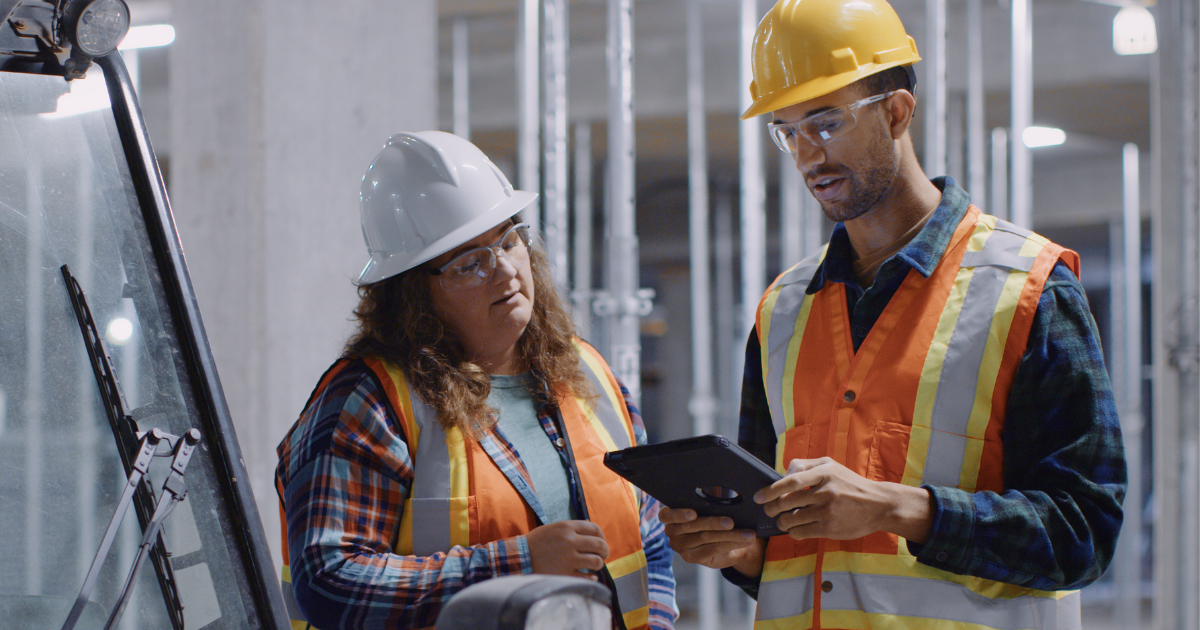
Construction is an industry where safety must come first every day. A single overlooked hazard can lead to injuries, delays, or costly regulatory trouble. With jobsites growing larger and compliance demands increasing, traditional safety meetings and manual recordkeeping can fall short. That’s why more construction and field service businesses are turning to digital toolbox talks, inspections, and daily reporting tools like SiteDocs® to protect their teams and make compliance an asset, not a burden.
The Value of Toolbox Talks in Construction
Toolbox talks are short, focused safety meetings held on jobsites to address relevant hazards, procedures, or equipment. They’re sometimes called safety toolbox talks, safety briefings, or safety huddles. In construction, these talks are not just another task to check off. They are key moments to reinforce safety culture, keep crews informed, and fulfill important compliance requirements.
Imagine starting a morning with a construction toolbox talk on ladder safety. The supervisor gathers the team, discusses common mistakes, demonstrates the right way to secure a ladder, and answers questions. The conversation is quick but effective, and everyone leaves the talk reminded of what’s expected. When gatherings like these are part of the daily routine, teams are more likely to spot issues, correct unsafe behavior, and speak up before problems escalate.
The Limitations of Traditional Toolbox Talks
Many companies still rely on paper forms, sign-in sheets, or scattered spreadsheets to document toolbox talks. This can cause real problems. For instance:
- Forms can get lost, damaged, or misplaced on busy jobsites.
- It’s hard to verify who attended each talk, especially with rotating crews.
- Pulling up past safety toolbox talks or inspection records during audits can take hours.
- Supervisors may forget to submit paperwork, leading to gaps in compliance documentation.
- Tracking recurring topics, such as toolbox talks on heat stress during the summer, becomes difficult.
These limitations make it harder for companies to respond to audits, prove due diligence, and maintain consistency across projects.
Digital Toolbox Talks with SiteDocs
SiteDocs helps businesses move from paper to digital with an all-in-one safety management platform. Digital toolbox talks streamline safety meetings and transform compliance from a challenge into a business advantage.
Here’s how digital toolbox talks and related safety tools work in practice:
Centralized Documentation
All toolbox talks for construction are logged in a secure, cloud-based system. Supervisors can record attendance, capture signatures, attach photos, and document the exact topics covered. If a regulator or client requests proof that a crew attended toolbox talks on safety, the records are available instantly.
Mobile Access for Field Teams
SiteDocs works on smartphones and tablets, making it easy for teams to complete safety forms from any location. This flexibility ensures that toolbox talks, inspections, and daily reports can be completed on the spot, even if your team is spread across multiple sites. No one needs to return to the office or shuffle through paperwork to stay compliant.
Customizable Forms and Topics
Every job is unique. With SiteDocs, companies can create custom toolbox talk templates, checklists, and workflows that match project requirements. If a new hazard arises, such as extreme heat or a new piece of equipment, supervisors can quickly roll out a new toolbox talk for construction teams. These digital forms can include required fields, drop-down lists, and even photo evidence, so documentation is always complete.
Automated Reminders and Alerts
SiteDocs can send reminders to supervisors to ensure safety toolbox talks happen on schedule. If an inspection or talk is missed, the system alerts the relevant people. Automated notifications help ensure nothing falls through the cracks, and talks on recurring topics like heat stress can be scheduled for peak risk periods.
Instant Reporting and Audit Readiness
When an auditor or project manager needs documentation, SiteDocs makes this simple. Supervisors can generate detailed reports by date, location, topic, or individual. If a client wants proof that daily toolbox talks were completed for a month, it takes just a few clicks to provide records. This level of transparency reduces stress and shows your commitment to safety and compliance.
Turning Compliance into a Competitive Advantage
Some companies see safety and compliance as a hassle. The truth is, when you use digital tools like SiteDocs, these requirements can become a way to stand out.
First, clients and regulatory agencies want to work with contractors who take safety seriously. Demonstrating a track record of consistent safety toolbox talks, inspections, and incident tracking reassures clients that you have risk under control. If a client compares two bids and sees that one company has robust documentation of regular toolbox talks for construction while another cannot produce records quickly, the choice is clear.
Second, digital records reduce mistakes and miscommunication. Crews know exactly which hazards have been discussed, supervisors know who attended each talk, and management can identify patterns or recurring issues. For example, if toolbox talks on heat stress are scheduled more frequently during hot months, this can help prevent heat-related illnesses and demonstrates proactive risk management.
Third, audit readiness is about more than passing inspections. Being able to instantly pull up digital records of toolbox talks on safety, completed inspections, and corrective actions shows that your company operates with integrity. This makes it easier to win repeat business, secure insurance, and avoid penalties.
Real-World Example: Toolbox Talks on Heat Stress
Heat stress is a serious concern in construction, especially during summer. Traditional methods might rely on posting signs or hoping supervisors remember to discuss the issue. With SiteDocs, management can schedule recurring toolbox talks on heat stress, attach educational resources, and require supervisors to record crew attendance and understanding.
During a heatwave, a supervisor can use a mobile device to deliver a toolbox talk for construction teams focused on heat stress symptoms, hydration tips, and rest schedules. Crews can sign off digitally, and anyone who misses the talk is flagged for follow-up. This approach helps ensure everyone is informed and protected. If there’s ever a heat-related incident, you have clear proof that proactive steps were taken.
Building a Safer, Smarter Workplace
Toolbox talks are not just about compliance—they are an opportunity to build trust, keep teams informed, and show leadership commitment to worker well-being. By shifting from manual paperwork to digital solutions like SiteDocs, companies can deliver more engaging safety talks, document participation accurately, and make compliance an ongoing strength.
Moving to a digital system can feel like a big step, especially for teams used to paper forms, but the transition is easier with training and support. SiteDocs offers onboarding, responsive customer service, and regular product updates to keep your system running smoothly.
Getting Started with Digital Toolbox Talks
Here are a few steps to make digital toolbox talks part of your daily routine:
- Identify your core safety topics. Start with common hazards, then add specialized talks on heat stress, fall protection, equipment checks, and more as needed.
- Customize your forms in SiteDocs. Add fields for crew signatures, photo documentation, and required questions.
- Train your supervisors and field teams on using the mobile app. Make sure everyone knows how to access forms, log attendance, and submit reports.
- Schedule regular reviews of your safety documentation. Management should spot-check records to verify consistency and identify areas for improvement.
Conclusion
Toolbox talks are essential for protecting workers, meeting regulations, and building a positive safety culture. Digital tools like SiteDocs take the guesswork out of compliance and create opportunities to improve communication, accountability, and jobsite safety. By embracing a digital approach, you’re not just meeting requirements; you’re giving your team the support and resources they need to succeed.
If you’re ready to take safety and compliance to the next level, request a demo and explore how SiteDocs can help your construction team simplify daily toolbox talks, inspections, and reporting. A safer, more organized workplace starts with the right tools and a commitment to continuous improvement.
Frequently Asked Questions
Construction teams must adhere to safety and compliance regulations such as fall protection, proper use of personal protective equipment (PPE), and hazard identification. Compliance with OSHA standards, proper training, and regular safety inspections are essential to ensure the well-being of workers and avoid penalties.
Construction teams can improve safety compliance by regularly conducting toolbox talks, ensuring proper training, tracking certifications, and using safety management systems to document inspections, incidents, and corrective actions. Adopting digital tools can also help streamline these processes and improve accountability.
Effective safety management ensures that construction workers are protected from hazards, reduces the risk of accidents, and helps meet legal and regulatory requirements. A robust safety program leads to fewer injuries, lower insurance costs, and a more productive work environment.
Digital tools for safety and compliance for construction streamlines record-keeping, automate reminders for inspections and training, and provide real-time access to safety documentation. These tools reduce paperwork, improve accuracy, and make it easier to stay audit-ready, ensuring compliance with industry regulations.
Failing to maintain construction safety and compliance can result in severe consequences, including worker injuries, project delays, fines, and legal action. Non-compliance with safety regulations can also damage a company’s reputation and increase liability, making it essential for construction teams to prioritize safety at all times.
Read More
Worker Orientation: Bridging the New Hire Field Gap
Ensure new hires are site-ready with effective worker orientation strategies. Bridge the gap between classroom knowledge and field performance.
The First 48 Hours: Rapid Onboarding Checklists
Ensure operational readiness in 48 hours with rapid onboarding checklists. From electronic processes to compliance, make new hires productive fast.
Ensuring Accurate Safety Data During Winter Operations
Learn how to maintain accurate safety data during winter operations. Discover strategies that improve decision-making and reduce winter risk.


Safety Consultant Program