Preventing Jobsite Heat Stress and Fatigue
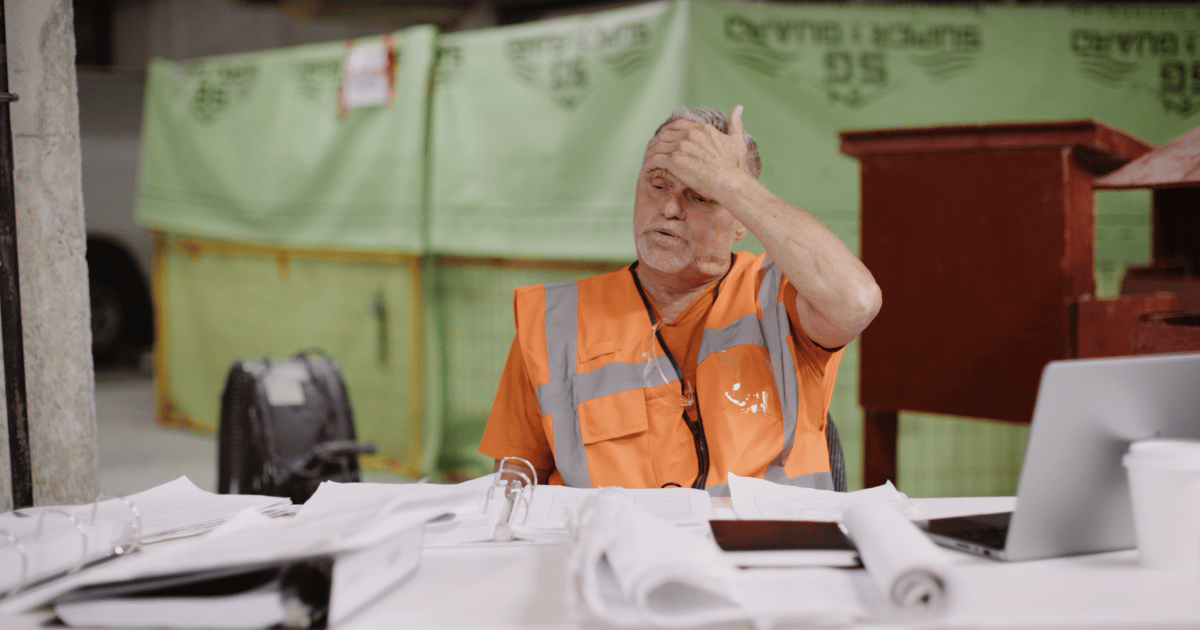
As summer peaks in July, construction and industrial operations face one of the most challenging operational hazards of the year: extreme weather. Managing jobsite heat stress is a critical responsibility for safety managers who must protect their workforce while keeping projects on schedule. When temperatures rise, classic paper-based compliance methods often fall short because they do not provide the immediate visibility required to protect a team in real time.
Why Heat Stress Is Primarily a Workforce Fatigue Issue
Many organizations treat rising temperatures purely as a regulatory compliance hurdle, focusing strictly on meeting minimum requirements for water and shade. However, a truly proactive safety culture recognizes that extreme environment conditions present a much deeper risk to human health and operational safety. Heat is not just a compliance issue; it directly degrades physical and operational reaction times.
When a worker experiences extreme heat, their body expends massive amounts of energy trying to cool down. This physical strain accelerates worker fatigue, causing cognitive decline, slower decision-making, and diminished coordination. In high-risk environments like construction sites, a split-second delay in reaction time can lead to catastrophic incidents, such as falls, equipment mishaps, and structural errors. Addressing heat stress is ultimately an effort to combat workforce exhaustion and maintain situational awareness on the ground.
Transitioning from Reactive Care to Proactive Hydration Tracking
Waiting for an employee to show visible signs of distress before providing help is a reactive strategy that puts lives at risk. To mitigate summer dangers effectively, safety leaders must transition to proactive hydration tracking and continuous field monitoring. Utilizing safety compliance tools allows companies to embed safety checks directly into the daily operational workflow, ensuring that preventative measures are executed consistently.
Deploying Daily Field Safety Checks Before Crews Step on Site
Preventative care must begin before any heavy labor actually starts. Supervisors can use a digital platform to deploy a specific field safety check at the start of every morning shift, which should include:
- Weather assessment: Document the projected peak heat index for the day to plan demanding tasks during cooler morning hours.
- Resource verification: Confirm that adequate water stations, electrolyte supplies, and shaded rest areas are fully stocked and accessible.
- Acclimatization tracking: Identify brand-new hires or workers returning from extended leave who require a gradual increase in heat exposure.
Completing these checks digitally provides instant confirmation that every team member has prepared their environment for the day ahead.
Monitoring Heat Illness Signs via Simple Mobile Check-ins
As the temperature rises during peak afternoon hours, field conditions can deteriorate rapidly. Instead of relying on individuals to self-report when they are feeling unwell, operations can utilize mobile check-ins to systematically monitor heat illness signs.
With this in mind, quick, field-friendly digital forms can be completed on a mobile device during scheduled rest breaks. Frontline teams can rapidly log temperature checks, verify that crew members are participating in mandatory hydration tracking, and record the frequency of rest periods. Because the information is centralized instantly, management gains visibility into which crews are taking necessary precautions and which locations require additional support.
Spotting the Early Symptoms of Exhaustion on the Ground
The personnel running the daily operations on the ground are the most vital asset in the battle against jobsite heat stress. Because they work side by side with the crew, they are uniquely positioned to recognize the early signs of worker fatigue tracking anomalies. However, managing this risk effectively requires looking beyond basic physical complaints to spot subtle behavioral changes.
It is critical to watch for specific behavioral and physiological indicators during peak hours, including:
- Changes in demeanor: Increased irritability, confusion, or a lack of focus can indicate that cognitive fatigue is setting in.
- Altered work pace: Subtle clumsiness, erratic movements, or dropped tools are clear signs of deteriorating physical coordination.
- Physical manifestations: Heavy sweating, pale skin, and frequent requests for unscheduled breaks mean the body is struggling to regulate its temperature.
When these observations are logged into a digital field safety check, the system can instantly trigger automated guidance that gives instructions to move the affected worker to a shaded area, provide water, and monitor them for worsening symptoms. This ensures that the team on the ground is never left guessing how to handle a developing medical risk.
Prioritizing Crew Support to Protect Your Summer Deadlines
Maintaining productivity during the hot summer months is a common operational goal, but deadlines should never come at the expense of human safety. When an organization experiences an incident related to jobsite heat stress, the resulting project shutdowns, regulatory investigations, and lowered team morale cause far greater delays than a structured program of preventative rest breaks ever would.
Prioritizing crew support through centralized, real-time documentation ensures that your team stays healthy, engaged, and productive all summer long. SiteDocs® helps organizations improve safety, simplify compliance, and stay audit-ready through centralized, real-time safety documentation. By empowering your team with field-friendly workflows, you can eliminate the administrative burden and focus on what truly matters: keeping your workers safe on the jobsite.
To learn more about how digital compliance workflows can streamline your summer safety initiatives, book a demo with our team today.
Frequently Asked Questions
Prevent heat stress by implementing engineering controls like shade structures and administrative controls such as work-rest cycles, as well as ensuring proper hydration. Educate workers on recognizing symptoms and provide PPE-like breathable clothing. Regularly monitor environmental conditions and adjust work schedules accordingly to minimize exposure to heat.
Symptoms of heat stress include dizziness, nausea, confusion, excessive sweating, and muscle cramps. Severe cases may lead to heat stroke, characterized by high body temperature, altered mental state, and loss of consciousness. Early recognition and response are crucial to prevent serious health consequences.
Hydration is important because it helps regulate body temperature and prevents dehydration, a major risk factor for heat stress. Workers should drink water regularly—even if not thirsty—and consume electrolyte drinks to replenish lost minerals. Proper hydration reduces the risk of heat-related illnesses.
Real-time monitoring allows for immediate detection of environmental changes and worker health status, enabling quick responses to potential heat stress. Wearable devices can alert supervisors to rising body temperatures, ensuring timely interventions and reducing the risk of severe health outcomes.
Training plays an important role by educating workers on the causes, symptoms, and prevention of heat stress. Training programs improve awareness and equip workers with the knowledge to recognize and respond to heat stress effectively. Regular training updates ensure preparedness and reinforce a culture of safety.
Read More

How to Build a Safety Observation Program That Identifies Risk Early
Build a safety observation program that helps identify hazards early. Learn six steps for observations, reporting, analysis, and follow-up.
Contractor Prequalification Checklist: What to Verify Ahead of Time
Use this contractor prequalification checklist to review licenses, insurance, safety records, and certifications before work begins.
Is Your Safety Program Ready for Workers’ Comp Renewal?
Prepare for workers’ comp renewal with organized safety data, incident records, leading indicators, and documentation to support broker conversations.

SafeTrades NEW
Safety Consultant Program