Guide to Building a Proactive Safety Culture
Why Proactive Safety Culture Matters More Than Ever
A strong safety culture does not happen by accident. It is built through consistent leadership, clear communication, employee engagement, and systems that support proactive decision making every day on the jobsite.
For environmental, health, and safety (EHS) leaders, the challenge is no longer simply responding to incidents after they happen. Modern organizations are shifting toward proactive prevention strategies that identify hazards early, improve accountability, and create safer work environments before injuries occur.
This shift is especially important as organizations prepare for National Safety Month each June. Led by the National Safety Council (NSC), this annual observance encourages employers to evaluate their safety and health programs, improve workplace safety practices, and reinforce a culture of safety across their operations.
Organizations that embrace proactive safety strategies often see measurable improvements in:
- Safety engagement
- Hazard reporting
- Employee participation
- Compliance readiness
- Incident prevention
- Operational visibility
- Workforce wellbeing
The key is building systems that empower employees and leaders alike to recognize risks early and take action before incidents escalate.
What Is a Proactive Safety Culture?
A proactive safety culture focuses on prevention rather than reaction. Instead of waiting for workplace injuries, near misses, or compliance failures to reveal gaps, proactive organizations actively identify and address risks before harm occurs.
Reactive organizations often rely heavily on lagging indicators such as incident rates, lost-time injuries, or regulatory citations. While these metrics matter, they only show what has already happened.
A proactive safety culture emphasizes leading indicators, including:
- Hazard observations
- Near-miss reporting
- Safety training participation
- Inspection completion rates
- Corrective action tracking
- Employee feedback
- Safety engagement levels
A proactive approach allows organizations to continuously improve safety performance while strengthening trust across the workforce.
The Role of Safety Leadership in Culture Development
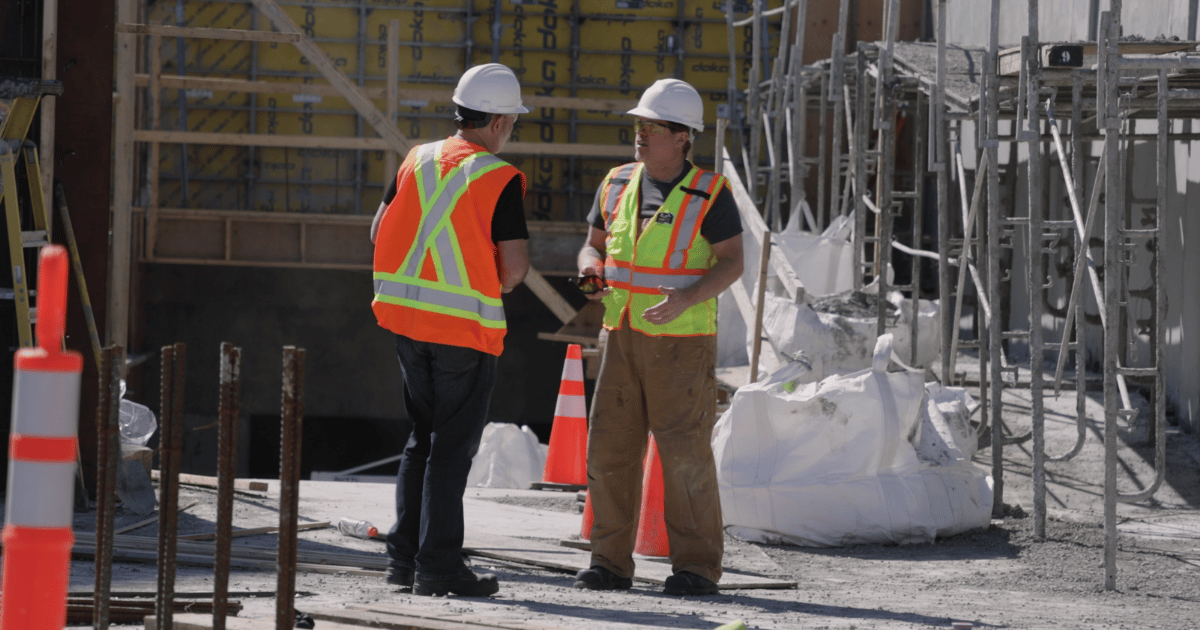
Safety culture starts at the top. Employees look to supervisors, managers, and executives to understand how seriously safety is prioritized within the organization.
Strong safety leadership goes beyond enforcing rules. Effective leaders actively participate in safety conversations, support employees in the field, and create environments where workers feel comfortable reporting hazards without fear of blame.
When leaders consistently demonstrate accountability and visibility, employees are more likely to adopt safe behaviors themselves.
Organizations looking to improve leadership involvement should focus on:
- Regular jobsite walkthroughs
- Open communication channels
- Recognition for proactive safety actions
- Consistent follow-up on hazards
- Participation in toolbox talks
- Transparent reporting processes
Leadership visibility is one of the strongest indicators of long-term safety success. For a deeper look at how leadership directly influences workplace performance, read our blog post about the impact of leadership on jobsite safety standards.
Why Digital Safety Management Supports Proactive Safety
Paper-based safety systems make proactive management difficult. Delayed reporting, missing forms, and inconsistent documentation can prevent organizations from identifying trends until after incidents occur.
Digital safety management systems help eliminate these gaps by providing real-time visibility into field operations.
With centralized digital documentation, EHS teams can:
- Track inspections instantly
- Monitor corrective actions in real time
- Identify recurring hazards
- Improve compliance readiness
- Streamline safety audits
- Increase employee participation
- Reduce administrative workloads
Digital systems also support stronger communication between field and office teams, helping organizations respond faster to changing conditions.
Instead of spending hours organizing paperwork, safety professionals can focus on coaching employees, improving safety awareness, and strengthening workplace engagement.
This transition becomes especially valuable during high-demand operational periods when workloads increase and oversight becomes more challenging. Learn more in our blog post about scaling safety compliance during peak operational volume.
Using Incident Management to Drive Prevention
Incident reporting should not involve documentation alone. The most effective organizations use incident management data to identify patterns, predict future risks, and strengthen preventive measures.
Every near miss, hazard observation, and corrective action provides valuable insight into workplace conditions. When analyzed properly, this information can help organizations uncover hidden trends before they result in serious injuries or operational disruptions.
For example, incident management data may reveal:
- Frequent slip-and-fall hazards in specific work areas
- Increased near misses during overtime shifts
- Recurring equipment-related issues
- Delayed corrective actions across multiple jobsites
- Seasonal trends tied to weather or workload increases
These insights allow EHS leaders to make informed decisions about training, staffing, inspections, and operational planning.
Organizations that treat incident reporting as a learning opportunity—not simply as a compliance requirement—are often better positioned to reduce injuries and improve long-term performance.
To learn how predictive safety strategies can strengthen prevention efforts, explore our blog post on using incident management to predict and prevent injuries.
National Safety Month as a Catalyst for Change
National Safety Month provides organizations with an ideal opportunity to evaluate their current EHS strategy and introduce proactive improvements across the business.
Rather than treating National Safety Month as a short-term campaign, organizations can use the month of June as a foundation for long-term cultural change.
Common National Safety Month initiatives include:
- Weekly safety topics and toolbox talks
- Leadership engagement campaigns
- Jobsite inspections and audits
- Safety training refreshers
- Employee recognition programs
- Hazard reporting initiatives
- Wellness and mental health awareness
These activities help reinforce accountability while encouraging employees to participate more actively in workplace safety efforts.
Organizations can also use this time to assess whether current systems support proactive safety goals. If documentation delays, communication gaps, or inconsistent reporting remain common challenges, it may be time to modernize existing processes.
For ideas on structuring your National Safety Month campaigns, read our post about planning your National Safety Month initiatives.
Building Long-Term Safety Engagement
A proactive safety culture is not built through one-time initiatives alone. Sustainable improvement requires ongoing participation from every level of the organization.
Employees are more likely to engage when safety processes are:
- Easy to complete
- Accessible in the field
- Clearly communicated
- Supported by leadership
- Consistently reinforced
Organizations should focus on creating systems that simplify participation rather than adding unnecessary administrative burdens.
Strengthen Your Safety Culture with SiteDocs
SiteDocs® helps organizations improve workplace safety, simplify compliance, and stay audit-ready through centralized, real-time safety documentation.
Our digital platform supports proactive EHS strategy initiatives by helping teams streamline inspections, improve incident management, increase safety engagement, and strengthen visibility across every jobsite.
If your organization is ready to move from reactive safety management to a proactive safety culture, book a demo with our team today.
Frequently Asked Questions
Proactive safety cultures focus on preventing incidents through risk identification and mitigation before problems occur, while reactive cultures respond to incidents after they happen. Proactive organizations emphasize leading indicators like near-miss reporting, hazard identification, and employee engagement metrics. Reactive cultures typically rely on lagging indicators such as injury rates and incident investigations.
Leadership demonstrates genuine safety commitment through visible participation in safety activities, resource allocation for safety improvements, and consistent communication about safety priorities. Executives should conduct regular safety walks, attend incident reviews, and ask meaningful questions about safety performance during business meetings.
Mobile safety management platforms, predictive analytics software, and real-time reporting systems are the most effective digital tools for proactive safety programs. These platforms enable instant incident reporting, automated safety inspections, and centralized documentation that provides immediate visibility into safety performance.
Proactive safety culture success is measured through leading indicators like near-miss reporting rates, safety training completion, employee engagement scores, and hazard identification frequency. Regular employee surveys provide qualitative insights by measuring safety perceptions and management commitment, and reporting comfort levels.
The most common challenges include overcoming employee skepticism about reporting safety concerns, securing adequate leadership commitment and resources, and changing established reactive mindsets. Many workers fear retaliation for reporting near misses or safety suggestions, so significant trust-building efforts might be required. Leadership may struggle to justify proactive safety investments without immediate visible returns.
Read More

How to Build a Safety Observation Program That Identifies Risk Early
Build a safety observation program that helps identify hazards early. Learn six steps for observations, reporting, analysis, and follow-up.
Contractor Prequalification Checklist: What to Verify Ahead of Time
Use this contractor prequalification checklist to review licenses, insurance, safety records, and certifications before work begins.
Is Your Safety Program Ready for Workers’ Comp Renewal?
Prepare for workers’ comp renewal with organized safety data, incident records, leading indicators, and documentation to support broker conversations.


SafeTrades NEW
Safety Consultant Program