
PPE Best Practices: Ensuring Safety in the Workplace
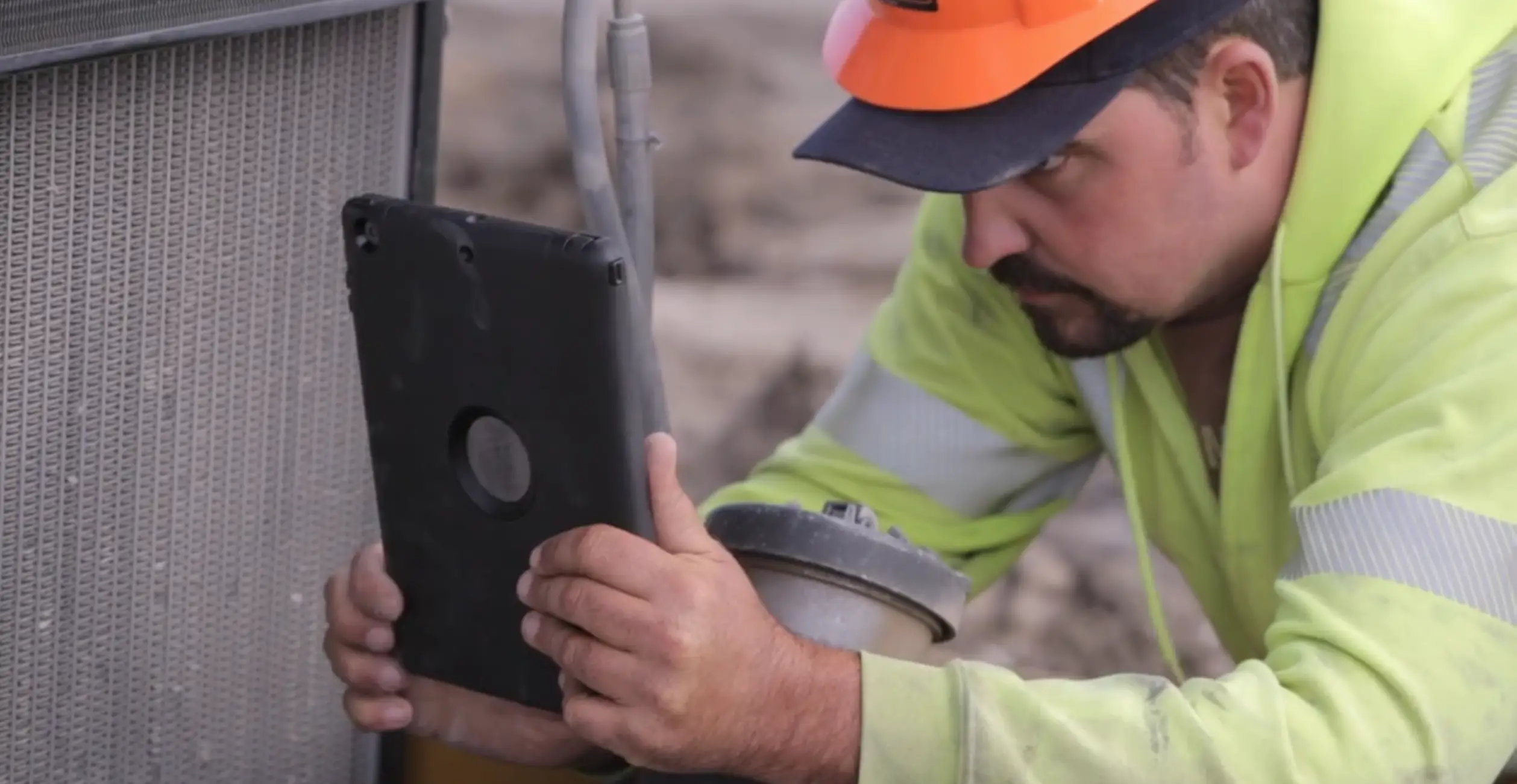
One of the most critical components in ensuring workplace safety is the proper use of Personal Protective Equipment (PPE).
Personal Protective Equipment, or PPE, refers to specialized clothing and gear designed to protect workers from hazards. This can include anything from hard hats and safety glasses to more intricate equipment like respirators and harnesses. For a more comprehensive understanding of what PPE entails, check out our What is PPE blog post.
In high-risk industries, the correct use of PPE is not just about compliance; it’s about safeguarding lives. The importance of PPE can’t be overstated, as it serves as the last line of defense against various workplace hazards.
Why PPE is Crucial in the Workplace
The role of PPE in the workplace extends beyond mere regulation. It is pivotal in preventing injuries and even saving lives. According to the Occupational Safety and Health Administration (OSHA), thousands of workplace injuries could be avoided with appropriate PPE.
When workers are properly equipped, the risk of injuries from falls, flying debris, chemical exposure, and other hazards is significantly reduced. In sectors like construction and manufacturing, where the environment itself poses numerous risks, PPE becomes an indispensable tool. Companies that emphasize PPE usage often see fewer accidents and lower costs associated with workplace injuries.
Ultimately, the goal of PPE is to create a safer working environment. It provides workers with the confidence to perform their tasks, knowing they are protected against potential hazards. This not only improves safety but also boosts productivity and employee morale.
Best Practices for Using PPE
Implementing best practices for using PPE can significantly enhance workplace safety. Here are some key guidelines:
- Proper Selection
- Choosing the right PPE is crucial. It should be suitable for the specific tasks and hazards present in the workplace.
- Consider factors like comfort and fit, as poorly fitted PPE can be ineffective and uncomfortable, leading to non-compliance.
- Regular Inspection
- Regularly inspect PPE for signs of wear and tear. Damaged equipment should be repaired or replaced immediately to ensure ongoing protection.
- Establish a routine schedule for inspections, and train employees to recognize when their PPE needs attention.
- Correct Usage
-
- Ensure that all employees know how to properly wear and use their PPE. Incorrect usage can negate the protective benefits.
- Provide clear instructions and demonstrations on the correct procedures for donning and doffing PPE.
Adhering to these best practices can create a safer and more efficient work environment. When workers understand and follow proper PPE protocols, the likelihood of accidents decreases, fostering a culture of safety.
Training and Education on PPE Usage
Training is a fundamental aspect of PPE best practices. Employees must be educated on the importance of PPE, how to use it correctly, and the specific risks they may encounter in their roles.
- Comprehensive Training Programs
- Develop and implement comprehensive training programs that cover all aspects of PPE, from selection to maintenance.
- Use a combination of theoretical instruction and hands-on practice to ensure employees are well-prepared.
- Ongoing Education
- Regular refresher courses are essential to keep workers updated on the latest safety protocols and equipment advancements.
- Encourage continuous learning and provide resources for employees to stay informed about PPE best practices.
- Engagement and Feedback
-
- Foster an environment where employees feel comfortable discussing PPE concerns and suggestions.
- Regularly solicit feedback to identify areas for improvement in PPE usage and training programs.
Effective training and education ensure that workers are not only compliant but also confident in their ability to protect themselves. A well-informed workforce is a safer workforce.
Common PPE Mistakes and How to Avoid Them
Even with the best intentions, mistakes can occur in the use of PPE. Here are some common errors and tips to avoid them:
- Improper Fit
- PPE that doesn’t fit correctly can be uncomfortable and less effective. Always ensure that PPE is properly fitted to each individual.
- Offer multiple sizes and conduct fit tests to determine the best options for each worker.
- Skipping Inspections
- Regular inspections are crucial for maintaining the integrity of PPE. Skipping these inspections can lead to the use of damaged or ineffective equipment.
- Establish a rigorous inspection schedule and hold employees accountable for checking their PPE.
- Ignoring Training
-
- Inadequate training can lead to improper PPE usage. Ensure that all employees receive thorough training and regular refresher courses.
- Monitor compliance and provide additional support or retraining as needed.
By addressing these common mistakes, organizations can improve PPE effectiveness and enhance overall safety.
Final Thoughts
Safety professionals and leaders must advocate for a culture of safety and continuously seek ways to improve PPE usage and compliance. By doing so, they not only protect their workforce but also enhance overall productivity and morale.
For those committed to elevating their safety standards, consider exploring additional resources and expert advice. Partnering with safety professionals and staying informed about the latest advancements in PPE can make a significant difference.
Remember, safety is a collective responsibility. Every effort to improve PPE practices contributes to a safer, healthier, and more productive workplace. Take the next step today and ensure that your organization is equipped with the knowledge and tools to protect its most valuable asset—its people.
Read More

Worker Orientation: Bridging the New Hire Field Gap
Ensure new hires are site-ready with effective worker orientation strategies. Bridge the gap between classroom knowledge and field performance.

The First 48 Hours: Rapid Onboarding Checklists
Ensure operational readiness in 48 hours with rapid onboarding checklists. From electronic processes to compliance, make new hires productive fast.

Ensuring Accurate Safety Data During Winter Operations
Learn how to maintain accurate safety data during winter operations. Discover strategies that improve decision-making and reduce winter risk.


Safety Consultant Program