
Enhance Workplace Safety with Gemba Walks

In a world where workplace hazards are an everyday reality, safety managers and industry professionals constantly seek effective strategies to ensure a safe work environment. One powerful yet often underutilized tool is the Gemba walk.
This blog post explores how Gemba walks can improve workplace safety by identifying and addressing potential hazards.
What is a Gemba Walk?
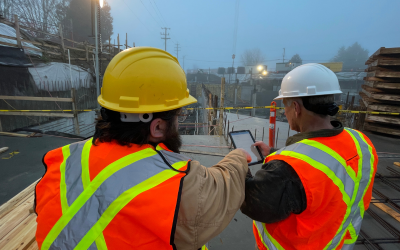
A Gemba walk is a management practice originating from the Japanese term “Gemba,” meaning “the real place.” In the context of workplace safety, Gemba refers to the actual site where work happens—in construction zones, manufacturing plants, or any high-risk work area. During a Gemba walk, managers and safety professionals visit these sites to observe processes, interact with employees, and identify potential hazards.
Gemba walks are not about pointing out mistakes or micromanaging. Instead, they focus on understanding work processes, fostering open communication, and promoting continuous improvement. By being present at the site, managers gain firsthand insights into the challenges that workers face, making it easier to implement effective safety measures.
The concept of Gemba walks is rooted in lean management principles, which aim to maximize value while minimizing waste. By regularly conducting Gemba walks, organizations can create a culture of safety, where potential risks are promptly identified and addressed.
Importance of Gemba Walks for Safety
Gemba walks are crucial for enhancing workplace safety, especially in high-risk industries. They provide several key benefits that significantly contribute to a safer work environment.
Firstly, Gemba walks promote proactive hazard identification. Instead of waiting for accidents to happen, safety managers can identify and mitigate risks before they lead to incidents. This proactive approach drastically reduces workplace accidents and injuries.
Secondly, Gemba walks foster a culture of safety and openness. When managers and safety professionals regularly visit the worksite, employees feel valued and heard. This encourages them to voice their concerns, share safety suggestions, and participate actively in creating a safer workplace.
Thirdly, Gemba walks facilitate continuous improvement. By observing work processes and interacting with employees, managers can identify areas for improvement and implement effective changes. This ongoing process ensures that safety measures are constantly updated and refined to address new challenges and risks.
Steps to Conduct a Gemba Walk
Conducting a Gemba walk involves several steps to ensure its effectiveness. Here is a comprehensive guide to help safety managers and industry professionals conduct successful Gemba walks.
Step 1: Plan the Gemba Walk
Before heading to the site, it is essential to plan the Gemba walk. Define the objectives, determine the areas to be visited, and identify key personnel to accompany you. Having a clear plan ensures that the Gemba walk is focused and productive.
Step 2: Engage with Employees
During the Gemba walk, engage with employees and encourage open communication. Ask questions to understand their tasks, challenges, and safety concerns. Listening to employees provides valuable insights and fosters a sense of collaboration and trust.
Step 3: Observe Work Processes
Observe work processes closely to identify potential hazards. Pay attention to how tasks are performed, the use of equipment, and the overall work environment. Look for signs of unsafe practices, equipment malfunction, or environmental risks.
Step 4: Document Findings
Document your observations and findings during the Gemba walk. Take note of identified hazards, unsafe practices, and employee feedback. This documentation will serve as a reference for implementing safety measures and tracking improvements.
Step 5: Analyze & Act
After the Gemba walk, analyze the findings and develop an action plan to address identified hazards. Collaborate with relevant stakeholders to implement safety measures and monitor their effectiveness. Continuous follow-up ensures that the improvements are sustained over time.
Identifying Hazards During Gemba Walks
Identifying hazards is a critical aspect of Gemba walks. Here are some common types of hazards to look out for during your Gemba walk.
Physical Hazards
Physical hazards include conditions that can cause physical harm to employees, such as unsafe machinery, slippery surfaces, and poorly maintained equipment. Look for any signs of wear and tear, inadequate safety guards, or improper use of tools and equipment.
Chemical Hazards
Chemical hazards involve exposure to harmful substances that can cause health issues. During your Gemba walk, check for proper storage and labeling of chemicals, ensure the availability of safety data sheets, and observe the use of personal protective equipment (PPE) when handling chemicals.
Ergonomic Hazards
Ergonomic hazards arise from poor workstation design, repetitive motions, and improper lifting techniques. Observe employees’ posture, the layout of workstations, and the use of ergonomic tools. Address any ergonomic issues to prevent musculoskeletal disorders and improve overall comfort.
Environmental Hazards
Environmental hazards include factors such as noise, temperature, and lighting that can affect employees’ well-being. During your Gemba walk, assess the work environment for excessive noise levels, inadequate ventilation, and poor lighting conditions. Implement necessary measures to create a conducive and safe work environment.
Psychosocial Hazards
Psychosocial hazards relate to workplace stress, harassment, and poor communication. Engage with employees to understand their mental well-being and identify any sources of stress or conflict. Promote a supportive work culture and provide resources for mental health support.
Conclusion
Gemba walks are a powerful tool for enhancing workplace safety in high-risk industries. By proactively identifying and addressing potential hazards, fostering open communication, and promoting continuous improvement, safety managers can create a safer and more productive work environment.
Implementing regular Gemba walks not only reduces workplace accidents but also builds a culture of safety and collaboration. To take your workplace safety to the next level, start incorporating Gemba walks into your safety management practices today.
Read More

The First 48 Hours: Rapid Onboarding Checklists
Ensure operational readiness in 48 hours with rapid onboarding checklists. From electronic processes to compliance, make new hires productive fast.
Ensuring Accurate Safety Data During Winter Operations
Learn how to maintain accurate safety data during winter operations. Discover strategies that improve decision-making and reduce winter risk.

The Importance of Real-Time Reporting in Winter Operations
Learn why real-time reporting is critical for winter operations and how real-time reporting systems improve incident response and lower jobsite risk.


Safety Consultant Program