
Digitize Paper Forms for Construction Safety on Site

The construction industry has traditionally relied on paper-based systems to manage safety documentation, inspections, and compliance tracking. However, with evolving regulatory standards and an increasing focus on workplace safety, a growing number of construction companies are re-evaluating their processes and exploring online safety management systems. This shift reflects not only a commitment to higher standards of safety but also a strategic approach to improving efficiency and organizational effectiveness.
The Limitations of Paper-Based Safety Forms
Paper forms have long been a staple in the construction sector, but they present several notable limitations that can impede both productivity and regulatory compliance. First off, the manual process of entering and completing forms is often time-consuming, which can delay incident reporting and slow down necessary responses.
Paper documentation is also susceptible to errors, including inaccuracies in recording and the risk of forms being lost or damaged. Organizing and storing these forms requires significant administrative effort and physical space, a challenge that grows as projects become more complex.
Furthermore, paper-based systems limit the accessibility of critical information, making it difficult for project managers, safety officers, and field workers to share and retrieve data efficiently, especially when teams are spread across multiple sites. These challenges have prompted many organizations to seek more effective solutions by prioritizing the digitization of paper forms for construction safety.
Key Drivers Behind Digitizing Paper Forms for Construction Safety
The adoption of digital safety forms is not merely a trend but a response to real industry challenges. Construction managers and safety professionals are finding that digital solutions offer advantages that paper simply cannot match. The primary motivations include:
- Improved efficiency: Digital forms enable fast data collection and instant sharing of safety information across teams, saving valuable time.
- Improved compliance: Automated prompts, mandatory fields, and built-in compliance checklists help ensure that safety forms are completed accurately and on time.
- Real-time reporting: With digital forms, incidents and inspections can be reported in real time, facilitating immediate corrective actions and documentation.
- Data integrity and security: Digital records are less susceptible to loss, unauthorized access, or damage compared to paper files.
Paperless Forms and Their Impact on Construction Safety
Transitioning to paperless forms streamlines operations while strengthening a company’s safety culture. The construction industry, in particular, benefits from the transition due to the high stakes of safety compliance and the dynamic nature of jobsites. Key impacts of paperless forms in construction include:
- Centralized record-keeping: All safety documentation is securely stored in a single digital repository, allowing for quick retrieval during audits or inspections.
- Reduced administrative burden: Automated safety workflow software eliminates redundant paperwork, freeing up time for supervisors and safety officers to focus on critical site tasks.
- Environmental benefits: Going paperless supports sustainability initiatives by reducing paper consumption and waste generation.
Practical Applications of Digital Forms in Construction Safety
The versatility of digital forms is evident in their wide range of applications throughout the construction process. Common use cases include:
- Daily safety checklists: Digital forms simplify daily inspections, ensuring that safety protocols are followed consistently across projects.
- Incident and near-miss reporting: Field workers and supervisors can use digital form apps to submit reports instantly, supporting rapid investigation and response.
- Equipment inspections: Contractors can digitize equipment checklists, improving maintenance tracking and reducing the risk of equipment failure.
- Site audits and compliance checks: Safety officers can conduct comprehensive audits using customizable forms tailored to project requirements.
How Digital Forms Apps Support Field Workers and Safety Officers
Digital forms apps have become indispensable tools for the modern construction workforce. They provide:
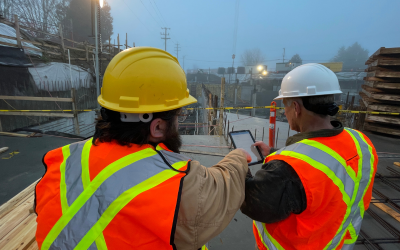
- Mobile accessibility: Field workers can access and complete safety forms directly from smartphones or tablets, regardless of their location.
- Offline functionality: Many digital forms apps offer offline capabilities, ensuring uninterrupted documentation even in remote or connectivity-challenged areas.
- Customizable templates: Contractors can build or modify templates to suit specific site requirements, enabling flexibility and standardization at the same time.
- Instant notifications: Automated alerts keep supervisors and managers informed of form submissions, outstanding actions, or compliance gaps.
Overcoming Resistance and Ensuring Successful Adoption
Although the advantages of digitizing paper forms for construction safety are evident, some organizations may face resistance when implementing new digital solutions. To promote successful adoption, it is essential to invest in training for both field workers and supervisors to ensure they feel confident and capable using new software.
Demonstrating the tangible value of these solutions, such as measurable time savings and improved compliance rates, can also help overcome skepticism by illustrating a clear return on investment. Selecting user-friendly software with intuitive interfaces and robust support resources can minimize the learning curve, making the transition smoother and more appealing for all team members.
Streamlining Compliance Across Projects
For contractors overseeing multiple jobsites, digital forms offer an invaluable advantage in managing and standardizing safety forms for construction. Benefits for contractors include:
- Consistency: Standardized digital templates ensure that all teams adhere to the same safety and reporting protocols.
- Transparency: Real-time access to submitted forms and audit trails fosters accountability at every project level.
- Scalability: Digital solutions can be easily scaled to accommodate project growth without the logistical constraints of paper-based systems.
The ROI of Digitizing Construction Safety Forms
Industry studies and case reports consistently demonstrate the positive impact of transitioning to construction safety forms, highlighting a wide range of measurable benefits for construction companies.
Organizations that have adopted digital solutions often report significant reductions in the time and resources required for administrative tasks, as automated data collection and streamlined workflows eliminate much of the manual effort associated with paper forms. Enhanced data accuracy and real-time reporting capabilities lead to more reliable safety records and faster responses to incidents or compliance issues.
Companies also experience fewer compliance violations thanks to automated reminders and structured digital templates that help ensure all safety documentation is completed thoroughly and on schedule.
In addition, improved project visibility enables managers to monitor safety performance across multiple jobsites, supporting more proactive risk management and informed decision-making.
These outcomes collectively contribute to a safer work environment, greater operational efficiency, and increased overall profitability for construction organizations embracing digital transformation.
Digital Transformation for a Safer, More Efficient Construction Industry
Digitizing paper forms for construction safety is no longer a future possibility. Instead, it’s a present necessity for organizations committed to operational excellence and regulatory compliance. By adopting paperless forms and leveraging advanced digital forms apps, construction companies can overcome the limitations of traditional paperwork, improve safety outcomes, and drive lasting value for their projects and stakeholders.
For construction managers, safety professionals, and contractors seeking to modernize their safety processes, the time is now to explore how digital solutions can revolutionize your approach to safety documentation and compliance.
Ready to make the switch? Learn more about how SiteDocs® digital forms solutions can help you digitize paper forms for construction and streamline construction site management. To take the next step, get a quote today.
Frequently Asked Questions
To digitize paper forms for construction safety means converting traditional paper-based safety documentation, inspections, and compliance checklists into digital formats. This allows teams to complete, store, and track safety records electronically, improving efficiency, accuracy, and accessibility.
Paperless forms eliminate the risk of lost or damaged paperwork, reduce administrative effort, and enable real-time reporting. They streamline workflows, improve data integrity, and support regulatory compliance, creating a safer and more efficient jobsite.
Safety forms for construction standardize data collection across sites, ensure all mandatory fields are completed, and provide audit trails for inspections, incident reports, and equipment checks. This makes compliance tracking simpler and more reliable for managers and supervisors.
A digital forms app allows field workers and supervisors to access and complete safety forms from smartphones or tablets, even offline. It enables instant submission, automated notifications, and secure storage, improving efficiency and accountability on every jobsite.
Yes. Contractor forms can be digitized and standardized using digital platforms, ensuring consistency across multiple projects. This centralization allows managers to track compliance, verify contractor qualifications, and maintain transparency across all job sites.
Read More

Worker Orientation: Bridging the New Hire Field Gap
Ensure new hires are site-ready with effective worker orientation strategies. Bridge the gap between classroom knowledge and field performance.

The First 48 Hours: Rapid Onboarding Checklists
Ensure operational readiness in 48 hours with rapid onboarding checklists. From electronic processes to compliance, make new hires productive fast.
Ensuring Accurate Safety Data During Winter Operations
Learn how to maintain accurate safety data during winter operations. Discover strategies that improve decision-making and reduce winter risk.


Safety Consultant Program