
Digitize Near-Miss Reports to Spot Safety Trends
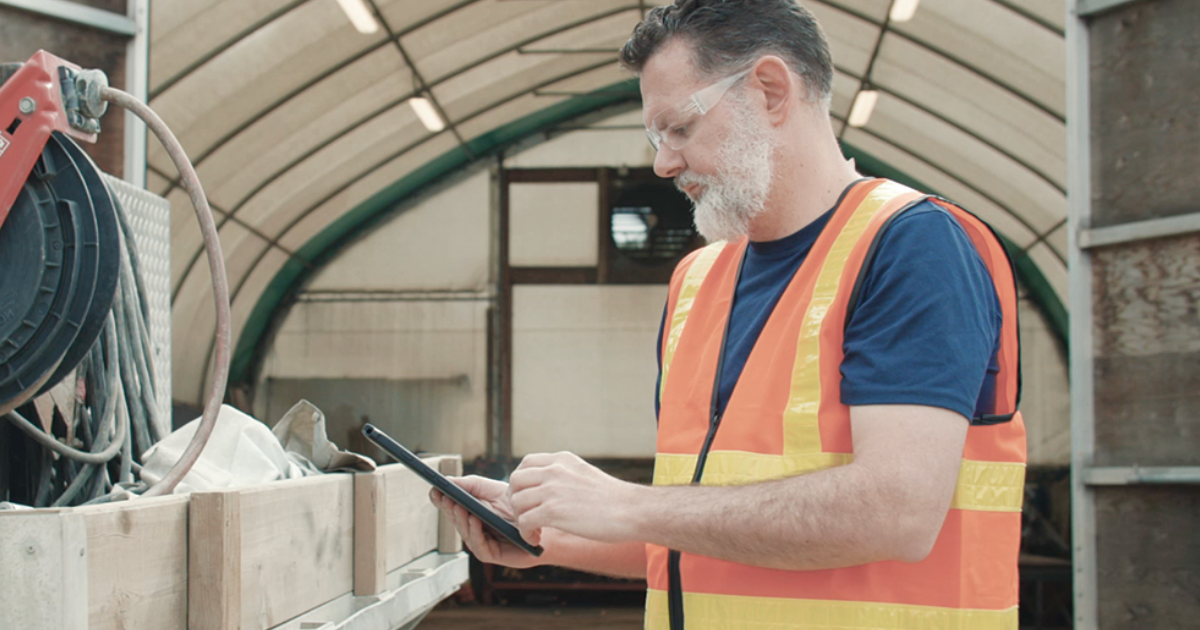
On a construction site, near-miss incidents are often the first signs that something could go wrong, whether it’s a worker narrowly avoiding injury or machinery malfunctioning. Near-miss reporting is crucial because these incidents are often overlooked or underreported, especially when done manually. By switching to online safety management systems, managers can instantly report near misses, track hazardous conditions, and ensure that corrective actions are taken.
Digital near-miss reporting allows for quicker documentation and analysis, making it easier to spot potential hazards and prevent serious injuries. By collecting data on every near-miss or close call, construction teams can proactively address risks and improve safety compliance, ensuring a safer work environment in line with OSHA standards.
Why Near-Miss Reporting is Crucial for Workplace Safety
Near-miss reporting serves as an early warning system, providing valuable insight into potential safety issues before they escalate into serious injuries or property damage. A near-miss incident—such as a worker slipping but not falling, or machinery malfunctioning without causing harm—indicates an underlying risk that needs to be addressed immediately.
By reporting a near miss, workers and managers can highlight recurring issues or unsafe practices that may otherwise go unnoticed. This data is critical for identifying hazardous conditions that could lead to a worker injury or other safety incidents. Timely incident reports help employers take corrective measures to improve safety on construction sites, at warehouses, and across various industries.
Challenges with Traditional Near-Miss Reporting Methods
Traditional near-miss reporting methods—especially those relying on paper forms—create significant barriers to effective safety management. For example, when workers report near-misses via paper forms, these reports often get lost, delayed, or improperly filed. This delay in reporting near misses means hazardous conditions aren’t addressed promptly, increasing the risk of a serious injury or incident.
Furthermore, manual data entry is a barrier to tracking trends over time, making it hard for safety managers to identify potential risks or spot patterns. The lack of real-time updates also prevents employers from acting quickly, potentially leaving workers exposed to narrowly avoided dangers. Paper-based systems simply can’t keep up with the fast-paced nature of the modern workplace—particularly in industries like construction, where safety must be a top priority.
The Advantages of Digital Near-Miss Reporting
Switching to digital near-miss reporting offers numerous advantages over traditional methods. Here’s how reporting near misses via digital platforms like SiteDocs® can transform safety management:
- Real-time reporting: With mobile devices, workers can report near misses as soon as they happen, capturing detailed information instantly.
- Accurate data collection: Digital forms eliminate errors associated with handwriting and manual entry, ensuring that incident reports are complete and accurate.
- Improved hazard identification: By recording near-miss events digitally, teams can track patterns to help safety managers recognize recurring hazards and implement timely corrective actions.
- Faster decision-making: Immediate access to digital incident reports enables employers and managers to take quick action, preventing accidents before they happen.
- Compliance with OSHA standards: Digital platforms help ensure that all near-miss and incident reports are properly stored and easily accessible for compliance audits.
By embracing digital safety reporting software, companies can improve safety culture, reduce response times, and reduce the risk of workplace injuries.
How to Implement a Digital Near-Miss Reporting System
Transitioning from paper to digital near-miss reporting requires careful planning and execution. Follow these steps to successfully implement a digital near-miss reporting system on your jobsite:
- Assess your current reporting process: Identify weaknesses in your existing reporting methods—whether these take the form of paper-based documentation or outdated systems—that could be causing delays in recognizing potential hazards.
- Choose the right reporting software: Select a platform like SiteDocs that offers customizable digital incident reports, mobile checklists, and real-time reporting features to meet your needs.
- Train your workers and managers: Ensure that everyone, from workers to safety managers, understands how to use the new system. Proper training ensures that near misses are reported consistently and accurately.
- Set clear reporting guidelines: Define what constitutes a near miss and set expectations for how quickly incidents should be reported. Ensure there’s clarity around the types of hazards and potential risks that should trigger a report.
- Monitor and optimize the system: Regularly review data to identify any trends or patterns that indicate a persistent risk. Use this information to adjust safety protocols and corrective actions to prevent future incidents.
Using Near-Miss Data to Identify Safety Trends and Prevent Accidents
The true value of near-miss reports lies in their ability to highlight safety trends and provide insights that can help employers and safety managers take preventive actions. When workers consistently report near misses, teams can begin to analyze this data to identify recurring hazards such as faulty machinery, poor working conditions, and common types of slips and falls.
Ultimately, digital near-miss reporting enables construction sites, warehouses, and other industries to shift from a reactive to a proactive safety culture, preventing injuries and accidents before they occur. Request a demo today and create a safer and more productive workplace.
Read More

Worker Orientation: Bridging the New Hire Field Gap
Ensure new hires are site-ready with effective worker orientation strategies. Bridge the gap between classroom knowledge and field performance.

The First 48 Hours: Rapid Onboarding Checklists
Ensure operational readiness in 48 hours with rapid onboarding checklists. From electronic processes to compliance, make new hires productive fast.
Ensuring Accurate Safety Data During Winter Operations
Learn how to maintain accurate safety data during winter operations. Discover strategies that improve decision-making and reduce winter risk.


Safety Consultant Program