Closing the Gap between Hazard Identification and Control
Why Identifying Hazards Is Not Enough
Simply listing a danger on a form does not make the work safer. While hazard identification is the first step, it is merely a diagnostic tool. Without an immediate follow-up action, the risk on the jobsite remains active.
Conducting effective hazard identification involves systematic processes that integrate multiple data sources. Begin with a thorough site assessment to identify potential risks. Use checklists and standardized forms for consistency in data collection. Engage workers in the process, as they often have insights into site-specific hazards.
Technology plays a significant role in modern hazard identification. Utilize mobile apps and digital platforms to record hazards. These tools facilitate quick updates and easy access to information, improving the responsiveness of safety measures. Digital records also aid in compliance and auditing.
Common Breakdowns between Planning and Action
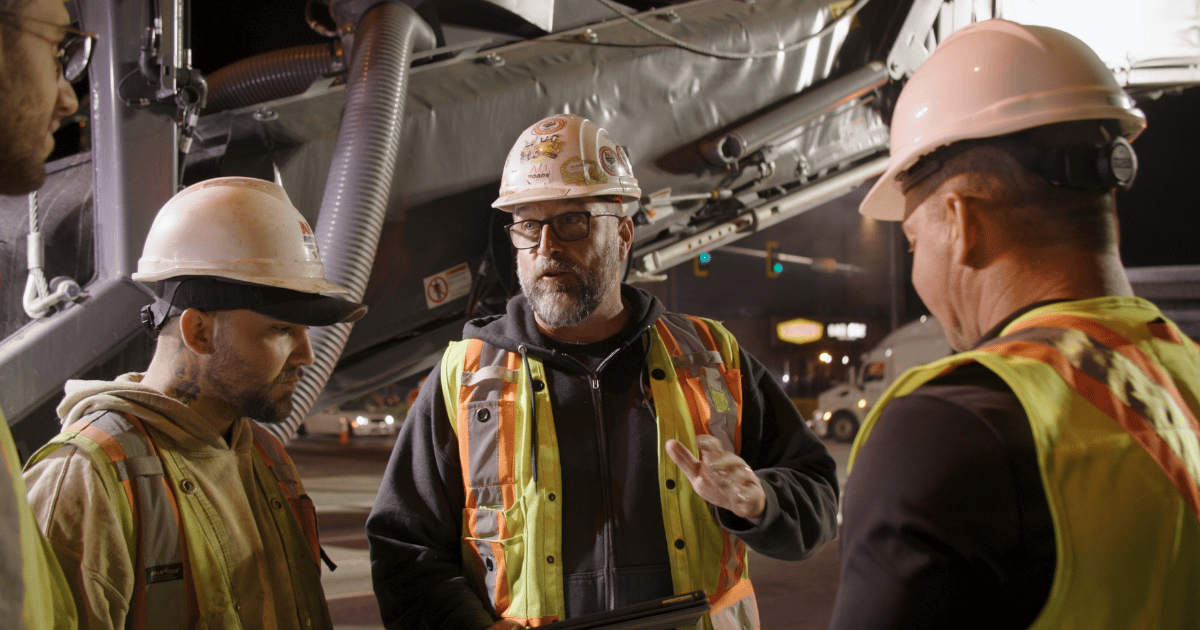
The most frequent breakdown in construction risk control measures is a lack of communication. A hazard might be noted in a morning meeting, but the information never reaches the specific subcontractor tasked with the work.
Other common gaps include:
- Misaligned priorities where production speed outweighs safety setup
- Lack of available resources, such as missing PPE or physical barriers
- Vague descriptions that do not provide clear instructions for the crew
- Information silos where safety data is not shared in real time
These oversights can have serious consequences, emphasizing the need for continuous improvement and vigilance.
Assigning and Verifying Controls
Every identified risk needs a clear owner. Controls are measures implemented to mitigate identified risks, and without proper assignment, they may not be effective. Each control must have a designated person responsible for its implementation and monitoring. Clear assignment of controls ensures accountability. Defining responsibilities reduces ambiguity and increases the likelihood of successful implementation. This clarity is crucial in complex projects where multiple teams may be involved.
Verification is the final piece of the puzzle. Safety managers must have a way to confirm that the assigned control was actually implemented. This might involve a secondary signoff or a site walkthrough to validate that the physical environment matches the safety plan. Without verification, the loop remains open, and the crew remains at risk.
Effective Ways to Encourage Compliance
Leadership plays a pivotal role in fostering a proactive safety culture. When supervisors actively participate in risk assessments, they set a precedent for the entire team. This involvement demonstrates that evaluations are a core priority rather than a secondary task.
Encouraging leaders to lead by example can significantly improve construction safety compliance. When workers see management prioritizing safety in real time, they are more likely to follow suit. Regular safety briefings led by management reinforce this importance and provide a forum to address crew concerns.
Incentives also serve as a powerful motivator for consistent documentation. Rewarding teams for thoroughness and reliability transforms the jobsite hazard assessment from a chore into a valued part of the daily workflow.
- Design programs that recognize both individual and team efforts.
- Offer monthly recognition for crews with the highest compliance rates.
- Link safety performance to positive professional development.
- Celebrate teams that identify and mitigate complex hazards.
Using Digital Workflows for Follow-Through
A safety workflow is often built through digital automation. Digital tools allow for immediate task assignment. When a worker flags a hazard on a mobile device, a notification can be instantly sent to the supervisor.
- Trigger automatic alerts for high-risk hazards.
- Use photo evidence to prove a control measure is in place.
- Track the time elapsed between identification and resolution.
- Generate reports to find recurring gaps in the mitigation process.
Digital workflows remove the lag time found in paper systems. By streamlining the path from identification to control, hazards are handled before they can lead to an incident.
Request a demo and close the gap between hazard identification and action to verify that every identified risk is met with effective construction risk control measures on the jobsite.
Frequently Asked Questions
Read More
How to Build a Safety Observation Program That Identifies Risk Early
Build a safety observation program that helps identify hazards early. Learn six steps for observations, reporting, analysis, and follow-up.
Contractor Prequalification Checklist: What to Verify Ahead of Time
Use this contractor prequalification checklist to review licenses, insurance, safety records, and certifications before work begins.
Is Your Safety Program Ready for Workers’ Comp Renewal?
Prepare for workers’ comp renewal with organized safety data, incident records, leading indicators, and documentation to support broker conversations.
SafeTrades NEW
Safety Consultant Program