Why Pre-Task Risk Assessments Are Skipped and How to Fix That

In the construction industry, pre-task risk assessments are crucial for safeguarding workers and ensuring project success. Yet these assessments are often skipped, leading to potential hazards and inefficiencies. Understanding why such gaps occur is the first step toward improving jobsite safety.
Common Reasons Assessments Are Skipped
Paper-based systems often hinder construction safety compliance because they are cumbersome. Workers view physical forms as a distraction from their primary trade tasks. When a form requires 10 minutes of writing before a 5-minute task, the assessment is often ignored.
Physical documents also tend to get lost, damaged by weather, or buried in truck cabs. This lack of accessibility creates a mental barrier where crews feel the administrative burden outweighs the safety benefit. Furthermore, normalization occurs when workers bypass protocols without immediate negative consequences. If a foreman skips a safety checklist that construction teams are supposed to follow and no one gets hurt, the team assumes the step is unnecessary.
The Risk of Incomplete Hazard Reviews
Crews often skip assessments because they don’t recognize potential hazards. Without proper training, a worker might view a task as routine and low-risk when hidden dangers exist. A lack of hazard recognition leads to incomplete reviews. If workers do not know what to look for, their assessments will be shallow and fail to provide real protection against site-specific threats.
Many crews skip doing a job hazard analysis because this feels like a repetitive action. If a form asks the same questions every day regardless of the task, filling it out becomes a “check-the-box” exercise. When assessments do not reflect the actual hazards of the day, workers lose faith in the process and see documentation as a legal shield rather than a tool for their own protection.
Effective Ways to Encourage Compliance
Leadership plays an important role in creating a proactive safety culture. When supervisors actively participate in risk assessments, they set a precedent for the entire team. This involvement demonstrates that evaluations are a core priority rather than a secondary task.
Encouraging leaders to lead by example significantly improves construction safety compliance. When workers see management prioritizing safety in real time, they are more likely to follow suit. Regular safety briefings led by management reinforce this importance and provide a forum to address crew concerns.
Incentives also serve as a powerful motivator for consistent documentation. Rewarding teams for thoroughness and reliability transforms the pre-task risk assessment from a chore into a valued part of the daily workflow. With this in mind, construction companies should:
- Design programs that recognize both individual and team efforts.
- Offer monthly recognition for crews with the highest compliance rates.
- Link safety performance to positive professional development.
- Celebrate teams that identify and mitigate complex hazards.
How to Simplify and Standardize the Process
Standardization reduces the mental load on workers. By using clear, concise templates, you confirm every crew follows the same logic when evaluating a task. For example:
- Use picklists to save time on data entry.
- Standardize hazard categories across all projects.
- Provide clear instructions within the form itself.
- Focus on high-impact questions rather than exhaustive lists.
By simplifying language and layout, you remove the ambiguity that leads to skipped steps. Clearer forms lead to higher-quality data and more accurate hazard identification.
Using Digital Forms to Remove Friction and Enforce Completion
Switching to digital safety forms removes the physical barriers associated with paper. Workers can complete assessments on their phones or tablets in real time, directly at the work location. Digital tools allow for features like photo uploads and GPS stamps, which add accountability without adding significant work.
Digital platforms also provide safety officers with immediate visibility into site activities. You can see which crews have submitted their pre-task risk assessment before the workday begins, allowing you to:
- Track submission times to verify assessments happen before work starts.
- Identify specific supervisors who consistently miss documentation.
- Use automated alerts to remind crews of required forms.
- Review data trends to see which hazards are most frequently reported.
Collecting data is only half the battle. To fix the underlying issues, you must use that data to improve your hazard management strategies. By analyzing digital submissions, you can identify “hot spots” where risks are high or compliance is low. This allows you to allocate resources like additional training or better PPE to the areas that need them most.
Effective hazard management starts with ensuring every crew completes a pre-task risk assessment to identify and mitigate dangers before any work begins on the jobsite.
Frequently Asked Questions
Pre-task risk assessments identify potential hazards before work begins, supporting worker safety and project success. They help prevent accidents by evaluating site conditions and task-specific risks. By addressing these risks proactively, assessments protect workers and reduce costly project disruptions.
Digital tools simplify risk assessments by providing templates and checklists, reducing paperwork and ensuring consistency. They allow for real-time data integration, enabling proactive risk management and improving compliance rates. Mobile apps make assessments accessible on site, improving efficiency and accuracy.
Leadership involvement is crucial for fostering a culture of safety. When leaders actively participate in risk assessments, they set a precedent for the team by emphasizing assessments’ importance. Leadership commitment to safety encourages workers to follow protocols, improving compliance and reducing risks.
Training provides workers with the knowledge and skills to conduct effective risk assessments. Continuous learning opportunities keep workers informed about safety protocols and techniques. Customized training addresses specific project risks, ensuring workers are prepared and compliant.
Regular audits and feedback mechanisms are effective for monitoring compliance. Audits identify areas for improvement, ensuring assessments remain relevant and effective. Feedback from workers provides insights into the process, helping to refine and optimize risk assessment practices.
Read More
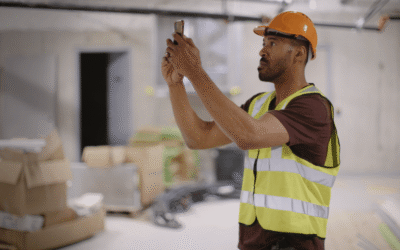
How to Build a Safety Observation Program That Identifies Risk Early
Build a safety observation program that helps identify hazards early. Learn six steps for observations, reporting, analysis, and follow-up.
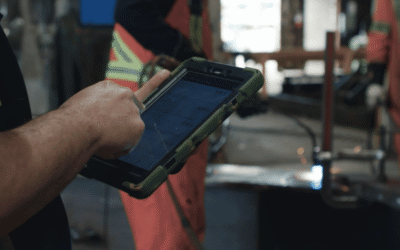
Contractor Prequalification Checklist: What to Verify Ahead of Time
Use this contractor prequalification checklist to review licenses, insurance, safety records, and certifications before work begins.
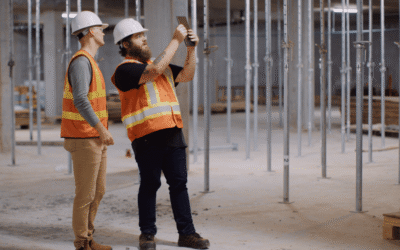
Is Your Safety Program Ready for Workers’ Comp Renewal?
Prepare for workers’ comp renewal with organized safety data, incident records, leading indicators, and documentation to support broker conversations.
SafeTrades NEW
Safety Consultant Program