
Balancing Safety and Profitability

There’s a common misconception that investing in safety measures can be a drain on a company’s profitability. This post aims to debunk that myth, offering business leaders ideas on how to balance safety and profitability effectively.
The Cost of Ignoring Safety
Ignoring safety measures isn’t just a risk to employees; it’s a financial gamble for the business. Accidents and incidents can result in costly legal battles that can stretch over months or even years. Additionally, increased insurance premiums can become a recurring financial burden. But perhaps most damaging is the tarnished reputation that can drive customers away. In today’s age of social media and online reviews, news of a safety incident can spread quickly, causing long-lasting damage to your brand. The financial and reputational risks far outweigh the initial costs of implementing safety measures.
Investment vs. Expense
It’s crucial to reframe how we think about safety measures. Rather than viewing them as an expense that subtracts from your bottom line, consider them as an investment in your business. Investments in safety can yield long-term benefits that are often overlooked. Reduced downtime due to accidents means your operations can run more smoothly. Lower insurance premiums can result in significant cost savings over time. Moreover, a safe work environment can boost employee productivity and morale, leading to lower turnover rates and higher job satisfaction. These factors can indirectly contribute to increased profitability.
Practical Tips for Balancing Safety and Profitability
1. Employee Training: Investing in comprehensive safety training programs can significantly reduce the risk of accidents. Well-trained employees are less likely to make errors that lead to safety incidents, thereby reducing the potential for legal repercussions and financial losses.
2. Safety Audits: Regular safety audits are more than just a compliance requirement; they’re a proactive measure that can save your business money in the long run. By identifying potential hazards before they become costly incidents, you can take corrective action that prevents accidents and the associated costs.
3. Safety Management Software: Tools like SiteDocs safety management software can streamline compliance and safety monitoring, making it easier and more cost-effective to maintain a safe work environment. These tools centralize safety data, making it easier to track, analyze, and report, thereby reducing the administrative burden and associated costs.

We are saving thousands of dollars every year in remote data charges by strategically using SiteDocs Offline Mode.
Michelle Orum, Project Manager, Cake Commercial Services, New Zealand
Conclusion
Safety and profitability are not mutually exclusive. In fact, they can complement each other when managed correctly. By investing wisely in safety measures and viewing them as a long-term investment rather than a short-term expense, business leaders can protect their employees while also safeguarding their bottom line.
If you’re grappling with balancing safety and profitability, consider a consultation with SiteDocs safety experts to tailor a solution that suits your business needs.
Read More
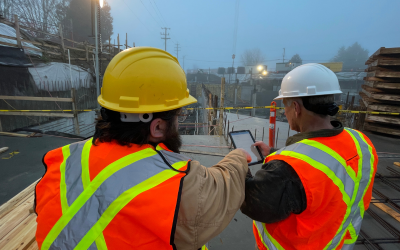
Ensuring Accurate Safety Data During Winter Operations
Learn how to maintain accurate safety data during winter operations. Discover strategies that improve decision-making and reduce winter risk.
The Importance of Real-Time Reporting in Winter Operations
Learn why real-time reporting is critical for winter operations and how real-time reporting systems improve incident response and lower jobsite risk.

Leveraging Technology for Better Winter Safety Reporting
Boost winter safety reporting with real-time visibility. Learn how technology strengthens construction safety reporting and supports safer jobsites.


Safety Consultant Program