
Pre-Peak Season Safety: How to Prepare Crews and Reduce Risk
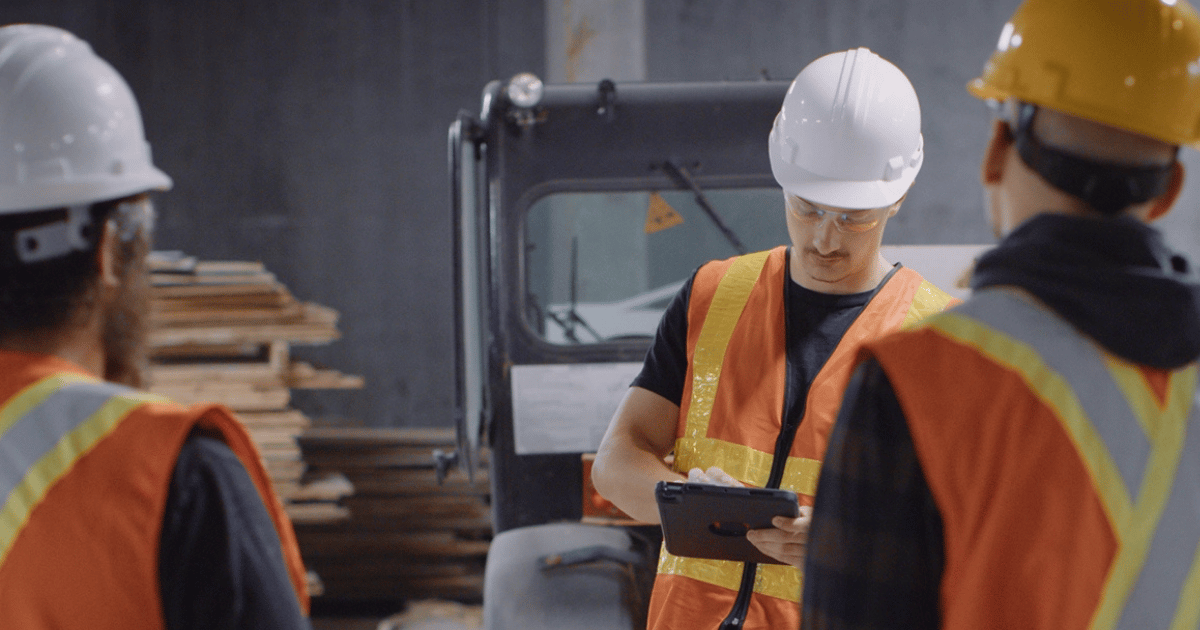
As the construction schedule intensifies, the pressure to deliver can overshadow safety protocols. You must prepare crews and reduce risk before the peak season workload leads to avoidable incidents.
Why Incident Risk Increases During Peak Season
Peak season typically brings a surge in production demands, longer work hours, and an influx of new hires or subcontractors. These factors create a perfect storm for safety lapses. When workers are tired or rushing to meet deadlines, they are more likely to take shortcuts or overlook standard jobsite risk management procedures.
New workers may not be familiar with your specific site hazards or the rigor of your reporting standards. This gap in knowledge, combined with a high-speed environment, significantly increases the likelihood of a recordable incident.
Resetting Expectations Before Workload Ramps Up
Before the schedule hits its peak, leadership must conduct a formal safety reset. This is the time to clarify that production speed never takes precedence over a safety program for protection.
Hold a “stand-down” or a dedicated safety meeting to reinforce core values and use this time to:
- Review high-risk activities scheduled for the coming months.
- Clarify the “stop work authority” for every individual on site.
- Reiterate the requirement for performing a complete pre-task risk assessment before every shift.
- Distribute updated contact lists for safety personnel and emergency services.
Standardizing Pre-Task Planning Across Crews
Consistency is the antidote to peak-season chaos. When every crew follows a construction safety planning checklist, you ensure that no team is “winging it” during the morning rush. Standardized planning prevents the quality of hazard reviews from dropping as the workload increases.
By using a uniform process, supervisors can audit forms more efficiently. They know exactly where to look for hazard mitigation details, making it easier to spot a weak plan before it results in an injury. Standardization also helps new hires integrate faster, as the expectations for documentation remain the same across every project.
Effective Ways to Encourage Compliance
Leadership plays a pivotal role in creating a proactive safety culture. When supervisors actively participate in risk assessments, they set a precedent for the entire team. This involvement demonstrates that evaluations are a core priority rather than a secondary task.
Encouraging leaders to lead by example significantly improves compliance. When workers see management prioritizing safety in real time, they are more likely to follow suit. Regular safety briefings led by management reinforce this importance and provide a forum to address crew concerns.
Incentives also serve as a powerful motivator for consistent documentation. Rewarding teams for thoroughness and reliability transforms safety planning from a chore into a valued part of the daily workflow. With this in mind:
- Design programs that recognize both individual and team efforts.
- Offer monthly recognition for crews with the highest compliance rates.
- Link safety performance to positive professional development.
- Celebrate teams that identify and mitigate complex hazards.
Using Digital Tools to Quickly Scale Safety Processes
Scaling a paper-based safety system is nearly impossible during a rapid ramp-up. In contrast, digital platforms allow you to instantly onboard dozens of workers and subcontractors, giving them immediate access to your construction safety planning checklist on their mobile devices.
Digital safety tools provide the infrastructure needed to maintain oversight without hiring a massive administrative team, equipping you to:
- Deploy updated safety forms to all devices simultaneously.
- Monitor real-time completion rates to identify crews falling behind.
- Use automated notifications to alert managers of missing documentation.
- Collect data from across multiple sites to identify emerging regional risks.
Digital systems remove the friction of physical paperwork, allowing your safety team to focus on field coaching rather than filing reports. This efficiency is vital when preparing crews and reducing risk during the most demanding months of the year.
Request a demo and let us show you how to implement a proactive safety program to prepare crews and reduce risk as you head into the busy season on the jobsite.
Frequently Asked Questions
Pre-peak safety preparation is crucial because it addresses the increased risks associated with heightened construction activity. During peak seasons, the influx of workers and accelerated timelines can lead to oversight in safety protocols, increasing the likelihood of accidents. By preparing in advance, supervisors can implement effective safety measures, conduct thorough risk assessments, and ensure that all crew members are trained and informed.
Digital tools improve safety management by providing efficient platforms for tracking, reporting, and analyzing safety data. Safety management software offers features like real-time hazard reporting, compliance tracking, and automated safety audits, which streamline safety processes and improve accuracy. These tools enable supervisors to quickly identify and address potential safety issues, ensuring timely interventions and reducing the risk of accidents.
Effective communication strategies for safety include promoting open dialogue and utilizing visual aids. Open dialogue encourages workers to share safety concerns and suggestions, fostering a collaborative approach to safety management. Regular safety meetings and anonymous feedback channels support this environment. Visual aids such as safety signs and diagrams provide clear, concise information that reinforces safety protocols. Ultimately, these tools enhance understanding and compliance, reducing the risk of miscommunication.
Safety training should be conducted regularly to ensure that all workers remain informed about current safety protocols and best practices. The frequency of training sessions depends on the complexity of the worksite and the specific safety challenges encountered. However, it is generally recommended to hold training sessions at least quarterly, with additional sessions as needed for new hires or when introducing new equipment or procedures. Regular training helps reinforce safety standards, address skill gaps, and promote a culture of continuous learning, ultimately reducing the likelihood of accidents and enhancing overall site safety.
Safety certifications play a critical role in construction by verifying that workers possess the necessary skills and knowledge to perform tasks safely. Certifications such as first aid training and equipment operation licenses ensure that workers are competent and compliant with industry standards. Maintaining up-to-date certifications reduces liability for supervisors and enhances site safety by ascertaining that all crew members are qualified for their roles.
Read More

How to Build a Safety Observation Program That Identifies Risk Early
Build a safety observation program that helps identify hazards early. Learn six steps for observations, reporting, analysis, and follow-up.
Contractor Prequalification Checklist: What to Verify Ahead of Time
Use this contractor prequalification checklist to review licenses, insurance, safety records, and certifications before work begins.
Is Your Safety Program Ready for Workers’ Comp Renewal?
Prepare for workers’ comp renewal with organized safety data, incident records, leading indicators, and documentation to support broker conversations.


SafeTrades NEW
Safety Consultant Program