

What Is the Difference Between JHA and PTP on the Jobsite?
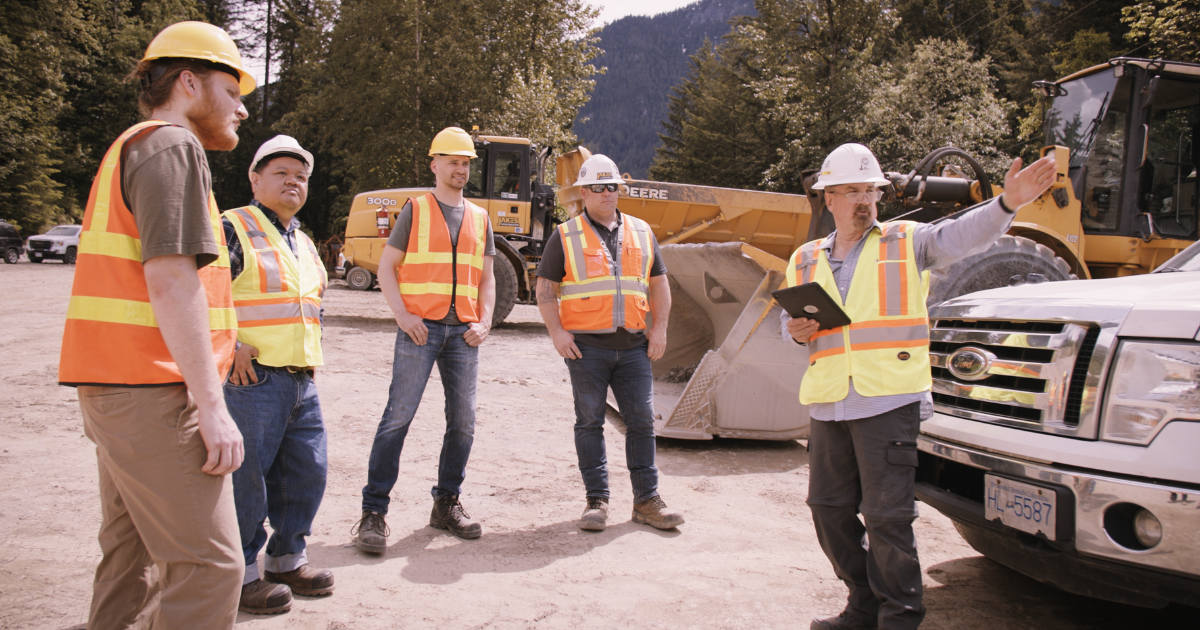
Job hazard analysis (JHA) provides a broad overview of potential risks associated with a specific job, while pre-task planning (PTP) focuses on daily, site-specific hazards. Understanding the distinction between JHA and PTP is crucial for effective safety management on any jobsite.
A JHA is typically conducted at the start of a project and identifies potential dangers associated with each task, offering a comprehensive view of the risks involved in the entire project. This analysis helps in designing safety protocols and training programs that mitigate identified risks. On the other hand, a PTP is a daily exercise that involves evaluating the specific conditions and tasks of the day to identify immediate hazards and ensure the team is prepared to handle the unique challenges that may arise on any given day.
SiteDocs® emphasizes the importance of integrating both JHA and PTP to create a robust safety net that covers both long-term project risks and immediate daily hazards. By utilizing both strategies, organizations can ensure a safer work environment, reduce the likelihood of accidents, and maintain compliance with safety regulations.
For more detailed insights into hazard management, visit SiteDocs’s hazard management page. Additionally, SiteDocs offers a demo to showcase how its solutions can streamline safety management processes—request a demo here.
Read More
How to Turn Field Safety Activity into a Broker-Ready Insurance Story
Learn how field safety records can become organized risk management data that supports workers’ comp renewal and broker conversations.

Leading vs. Lagging Safety Indicators: What Should You Track?
Learn the difference between leading and lagging safety indicators, which metrics to track, and how they give a clearer view of safety performance.

How to Build a Broker-Ready Workers’ Comp Renewal Kit
Learn how to organize safety records, leading indicators, incident data, and corrective actions into a broker-ready workers’ comp renewal kit.

SafeTrades NEW
Safety Consultant Program