
What is PPE? A Comprehensive Guide to Personal Protective Equipment

Personal protective equipment (PPE) has become a household term, especially in the wake of the COVID-19 pandemic. However, PPE is not just about face masks and gloves. For safety managers, construction workers, and industrial workers, PPE is a crucial aspect of daily operations.
By the end of this post, you’ll have a clear understanding of what PPE is, why it matters, and how to ensure you and your team are adequately protected.
Types of PPE
Head Protection
Head protection is critical in preventing injuries from falling objects, electrical hazards, and impact with other objects. Hard hats and safety helmets are the most common types of head protection used in construction and industrial settings. They are designed to absorb the force of impacts and protect the skull from injury.
Eye and Face Protection
Eye and face protection is essential for shielding against flying debris, chemical splashes, and harmful radiation. Safety goggles, face shields, and welding masks fall into this category. They are designed to provide a barrier between the eyes and face and potential hazards, thus preventing injuries and long-term health issues.
Hearing Protection
Loud noises can cause permanent hearing damage, making hearing protection a necessity in high-noise environments. Earplugs, earmuffs, and canal caps are commonly used to protect against excessive noise levels. They help to reduce the noise to a safer level, ensuring that workers do not suffer from hearing loss over time.
Importance of PPE in Different Industries
Construction
Construction sites are fraught with hazards ranging from falling objects to loud machinery. PPE is crucial in this environment to protect workers from injuries and accidents. Hard hats, steel-toed boots, and high-visibility clothing are some of the essential gear that construction workers rely on daily.
Healthcare
In healthcare settings, PPE is vital to protect both healthcare workers and patients. Gloves, gowns, masks, and face shields help prevent the spread of infections and protect against exposure to hazardous chemicals and bodily fluids. Proper use of PPE in healthcare can significantly reduce the risk of contamination and infection spread.
Manufacturing
Manufacturing industries involve working with heavy machinery, chemicals, and other hazards. PPE such as safety glasses, gloves, and respirators are essential to protect workers from potential risks. These protective measures help to minimize accidents and ensure a safer working environment.
How to Choose the Right PPE
Assess the Hazards
The first step in choosing the right PPE is to conduct a thorough hazard assessment. Identify the specific risks in your work environment and determine which types of PPE are necessary to mitigate those risks. This assessment will guide you in selecting the most appropriate protective gear for your needs.
Fit and Comfort
PPE must fit properly and be comfortable to wear for extended periods. Ill-fitting equipment can be ineffective and may even pose additional risks. Ensure that the PPE you choose is available in various sizes and adjustable to suit different body types. Comfort is crucial to ensure compliance and continuous use.
Certification and Standards
Always opt for PPE that meets recognized safety standards and certifications. Look for labels and markings that indicate compliance with regulations such as OSHA, ANSI, or CE. Certified PPE has been tested and proven to provide the required level of protection, ensuring that you are adequately shielded from hazards.
Maintenance and Care of PPE
Regular Inspections
Regular inspections are essential to ensure that PPE remains in good condition and provides the necessary protection. Check for signs of wear and tear, damage, or degradation. Replace any damaged or worn-out equipment immediately to maintain safety standards.
Cleaning and Storage
Proper cleaning and storage of PPE are crucial to prolong its lifespan and effectiveness. Follow the manufacturer’s instructions for cleaning and disinfecting each type of PPE. Store the equipment in a clean, dry place away from direct sunlight and harsh chemicals to prevent damage and contamination.
Training and Education
Provide training and education to all employees on the proper use, care, and maintenance of PPE. Ensure that they understand how to wear and remove the equipment correctly and the importance of regular inspections and cleaning. Well-trained employees are more likely to use PPE correctly and consistently.
Understanding the importance of PPE and implementing it correctly can be the difference between a safe working environment and a hazardous one. From construction sites to healthcare facilities, PPE plays a vital role in protecting workers from various risks. Choosing the right PPE, maintaining it properly, and educating employees on its use are all critical steps in ensuring workplace safety.
Investing in the right PPE not only protects your workers but also enhances productivity and compliance with safety regulations.
Read More
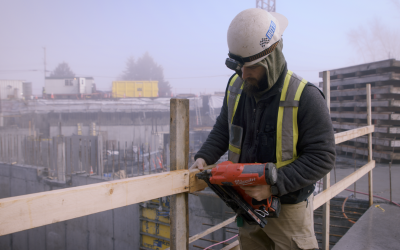
What Is MRO Management? Why Maintenance Matters for Safety
Learn how MRO management helps ensure jobsite safety, equipment reliability, and compliance. Prevent downtime and improve operational efficiency.

Management of Change: A Simple Safety Guide
Learn about the management of change (MOC) process and how to implement it effectively. Discover how safety management software can enhance MOC.
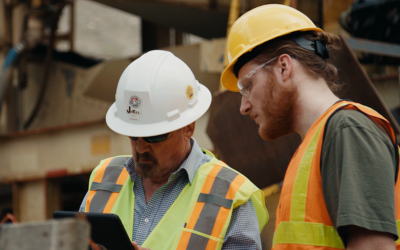
Verification of Competency: How to Ensure Worker Skills
Learn about verification of competency (VOC), its importance in the workplace, how to implement it effectively, and tools and future trends in VOC.

