
What Is MRO Management? Why Maintenance Matters for Safety
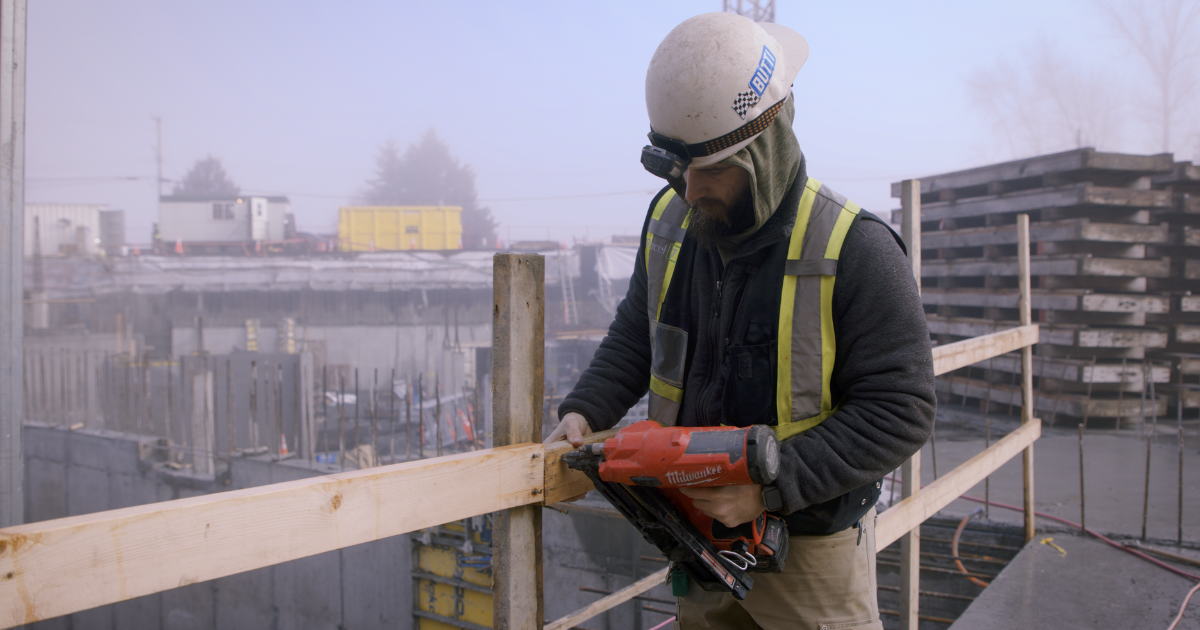
Maintenance, repair, and operations (MRO) are vital aspects of any industry, ensuring that equipment, machinery, and facilities are functioning safely and efficiently. Whether an organization is focused on maintaining a production line, managing inventory, or addressing equipment failures, the role of MRO directly impacts safety, productivity, and long-term operational success. With the right MRO strategy, organizations can reduce downtime and improve overall operational efficiency.
Why MRO Matters for Jobsite Safety
MRO activities involve maintaining and repairing equipment, machinery, and facilities to prevent breakdowns that can lead to accidents or downtime. A well-executed MRO strategy not only keeps operations running smoothly but also plays a vital role in compliance with safety standards. In fact, maintenance management practices like preventive maintenance and predictive maintenance can help identify potential issues before they become safety hazards. Effective MRO management is therefore essential for keeping jobsites safe and preventing costly incidents.
The Different Types of MRO and Their Impact on Operations
In the world of MRO, the approach taken toward maintaining equipment and infrastructure is crucial for ensuring smooth operations and minimizing downtime. There are four main types of MRO, each serving a distinct purpose in the maintenance process. By understanding and utilizing each type effectively, organizations can improve operational efficiency, maximize equipment reliability, and simplify their supply chain management.
1. Preventive Maintenance
Preventive maintenance (PM) is a proactive approach to maintaining equipment and machinery. This type of maintenance involves regular, scheduled tasks designed to keep equipment functioning at optimal levels and prevent breakdowns before they occur. Preventive maintenance can include activities like routine inspections, lubrication, cleaning, and replacing worn-out parts. These tasks are performed at set intervals based on time or equipment usage, ensuring that equipment remains in good working order.
2. Reactive Maintenance
Reactive maintenance (RM), also known as breakdown maintenance, is the process of repairing equipment after it has failed or malfunctioned. Unlike preventive maintenance, this approach addresses issues that arise unexpectedly, often leading to unplanned downtime and disruptions in operations. While reactive maintenance may be necessary in some situations, it can be more costly and less efficient than preventive maintenance, as repairs tend to be urgent and often require emergency parts and services.
3. Corrective Maintenance
Corrective maintenance (CM) focuses on fixing equipment or systems that are still operational but are exhibiting issues that could potentially lead to a failure. It aims to address problems that might affect productivity, such as machinery running at reduced capacity or producing poor-quality products. Corrective maintenance typically involves diagnosing issues and making adjustments or repairs to return equipment to its optimal performance.
4. Predictive Maintenance
Predictive maintenance (PdM) is an advanced, data-driven approach that uses technology and analytics to predict when equipment is likely to fail. By monitoring the condition of equipment in real time through sensors and other diagnostic tools, businesses can forecast potential issues before they happen. This allows maintenance teams to take action before a breakdown occurs, often at a more convenient time and with fewer resources than reactive maintenance would require. Predictive maintenance typically integrates technologies like Internet of Things (IoT) sensors, vibration analysis, and thermal imaging to track equipment conditions and predict failures with a high degree of accuracy.
How MRO Inventory Management Supports Equipment Reliability
Managing MRO inventory efficiently is crucial for ensuring the availability of needed parts and supplies. MRO inventory management involves tracking and maintaining an optimal stock of maintenance supplies like cleaning supplies, repair parts, and production line materials. Simply put, having a strong inventory strategy minimizes delays in repair and operations. Techniques such as vendor-managed inventory and equipment management software can help simplify the process, reducing costs and improving equipment reliability. An effective inventory management strategy can also prevent unnecessary stockouts or overstocking by making the right products available at the right time, contributing to better maintenance outcomes.
MRO Software for Improved Maintenance Efficiency
Incorporating equipment maintenance software into your operations is a game changer. Using digital tools to manage MRO processes allows teams to track and schedule maintenance activities, document repairs, and predict future needs. Safety management software specifically designed for maintenance and repair simplifies MRO procurement, facilitates maintenance and repair scheduling, and ensures compliance with safety standards. MRO management software can also optimize inventory levels by tracking supplies and monitoring equipment condition, making it easier to identify when parts need replacing. By integrating software with an MRO strategy, operations can become more efficient, reducing downtime and preventing safety risks.
If you’re ready to improve your maintenance and repair processes, request a demo to see how SiteDocs® tools and practices can benefit your business.
Frequently Asked Questions
MRO stands for maintenance, repair, and operations. A strong MRO program supports operational safety by keeping equipment, machinery, and facilities working properly and reducing the risk of failures. Routine maintenance and timely repairs help prevent breakdowns that can cause incidents, delays, or jobsite downtime. MRO also supports compliance with safety requirements by using practices like preventive maintenance to catch issues early, before they turn into hazards.
The four core types of maintenance are preventive, reactive, corrective, and predictive. The main difference is when the work happens and how it is triggered. Preventive maintenance is scheduled ahead of time to reduce the chance of failure. Reactive maintenance happens only after something breaks. Corrective maintenance fixes known issues found during operation or inspection to restore proper performance. Predictive maintenance uses condition data to estimate when failure is likely, so maintenance can be done at the right time.
Preventive maintenance is a planned approach that includes regular inspections, cleaning, lubrication, and replacing worn parts on a schedule. It improves jobsite safety by reducing unexpected equipment failures that can create dangerous situations. It also helps control costs by lowering the need for urgent repairs, reducing downtime, and avoiding expenses tied to emergency parts, production delays, and incident investigations.
Predictive maintenance uses equipment condition data to forecast when a failure is likely, so teams can fix problems before a breakdown occurs. Reactive maintenance happens only after a failure, which often leads to unplanned downtime and higher costs. Predictive maintenance commonly relies on monitoring tools such as IoT sensors, vibration monitoring, and thermal imaging to track performance and detect early signs of wear or abnormal operation.
MRO inventory management supports equipment reliability by ensuring that the right parts, supplies, and materials are available when maintenance is scheduled or when urgent repairs come up. This helps prevent delays caused by stockouts that can extend downtime. MRO software such as SiteDocs® can help by tracking usage, improving visibility into inventory levels, and supporting better planning so teams can keep critical items on hand without overstocking.
Read More

Management of Change: A Simple Safety Guide
Learn about the management of change (MOC) process and how to implement it effectively. Discover how safety management software can enhance MOC.
Verification of Competency: How to Ensure Worker Skills
Learn about verification of competency (VOC), its importance in the workplace, how to implement it effectively, and tools and future trends in VOC.

The Difference Between Corrective and Preventive Action (CAPA)
Learn to differentiate corrective and preventive action and why effective safety software must support both. Implement preventive improvements today.

