
Performance Tracking: Evaluating Your New Hires
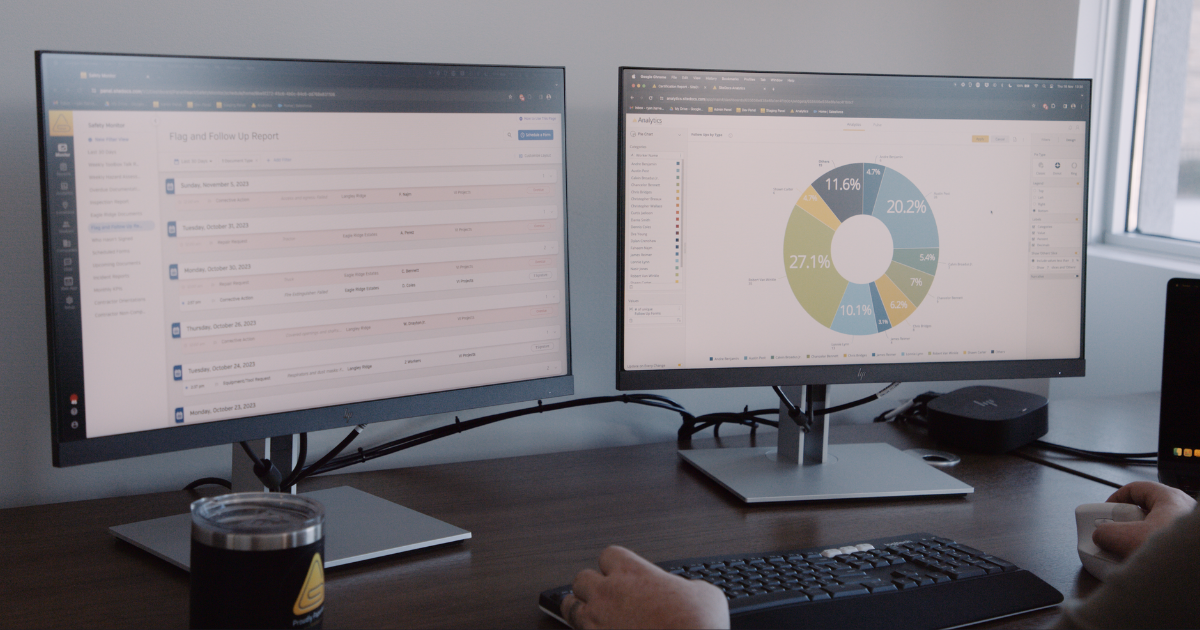
Effective performance tracking helps managers and employees set achievable goals, making it easier to assess the impact each worker has on the team. By evaluating performance through clear, qualitative metrics and aligning with smart goals, supervisors can identify which workers are excelling and contributing to a streamlined workflow. This process is crucial for determining long-term fit, especially when preparing for annual performance reviews or tracking progress over the course of a season.
Defining the Field Standard
Setting clear, measurable KPIs is essential for evaluating new hires effectively. In the first 30 days, supervisors should establish benchmarks that align with the company’s goals. These KPIs could include metrics such as daily output, adherence to safety protocols, and teamwork capabilities. By defining the standards early, supervisors can objectively assess each worker’s performance.
KPIs provide a clear roadmap for what is expected from each hire, eliminating ambiguity. For instance, a KPI might be completing 100 linear feet of work per day. This specificity helps workers understand their targets and allows supervisors to accurately measure performance.
Effective KPIs include attendance records, quality of work, and speed of task completion. Supervisors can use tools like corrective action software to track these metrics efficiently, ensuring that every worker is evaluated fairly.
Objective vs. Subjective Performance Grading
Moving from subjective to objective grading is vital in performance tracking. Instead of relying on personal impressions, supervisors should use data-driven methods to evaluate workers. This approach minimizes bias and ensures that decisions are based on performance metrics rather than personal preferences.
Using scorecards or rating scales that quantify performance provides a clear picture of each worker’s capabilities, making it easier to identify top performers.
Objective grading includes tracking the number of tasks completed per day or the accuracy of work done. Safety management software can assist in collecting and analyzing this data, providing supervisors with the insights needed to make informed decisions.
The Progress Employee Performance Loop
Performance reviews are not just about identifying top performers; they also help with recognizing who needs additional training. The progress loop involves continuous monitoring and feedback, allowing supervisors to support workers who show potential but require further development and ultimately ensuring that every worker has the opportunity to meet the company’s standards. By identifying areas where workers struggle, supervisors can provide targeted training to improve these skills.
Implementing the progress loop includes regular performance evaluations and feedback sessions. Supervisors can use performance data to tailor training programs, ensuring that each worker receives the support they need for improved productivity.
The Talent Pipeline
Seasonal busy seasons offer a unique opportunity to identify future leaders. By using performance tracking as an extended interview process, supervisors can pinpoint workers who demonstrate leadership potential and strong performance metrics.
How can supervisors build a talent pipeline? By evaluating workers not just on their current performance but also on their potential for growth. This involves looking at their ability to take initiative, solve problems, and lead teams effectively.
Offer leadership training to high-performing seasonal workers and provide opportunities for them to take on more responsibilities. By nurturing this talent, companies can ensure a steady flow of capable leaders for future roles.
Unlock Your Team’s Full Potential
Performance tracking is a game changer for evaluating your new hires, but managing the process effectively requires the right tools. SiteDocs® offers an intuitive platform to easily track KPIs, monitor progress and collect real-time data on your workforce’s performance. Whether you’re looking to improve safety compliance or optimize your team’s productivity, we provide the data-driven insights needed to make informed decisions.
Request a demo and find out how SiteDocs can help you simplify performance tracking, create a talent pipeline, and support your team’s growth.
Frequently Asked Questions
KPIs provide clear and measurable goals for tracking employee performance based on specific, objective criteria. This allows managers to track employees' performance over time, making it easier to identify top performers, areas for improvement, and who may require additional support or development. By aligning KPIs with organizational objectives, supervisors can ensure that all employees are working toward the same goals, creating a more accountable and effective workforce.
Objective grading helps eliminate personal bias from performance evaluations by relying on data-driven metrics rather than subjective impressions. This leads to fairer assessments of job performance and ensures that decisions are based on real-time performance data. By using objective grading systems, managers can provide actionable feedback, set clear goals, and make better decisions about resource allocation, ultimately fostering a culture of accountability and improving overall employee performance.
The progress loop is a continuous performance management process involving regular monitoring, feedback, and action plans to support employee development. It helps identify employees who need additional training or guidance, so managers can then provide targeted support to help these individuals improve. This ongoing process encourages regular check-ins, providing employees with a holistic view of their performance while fostering continuous improvement and ensuring organizational standards are met.
Seasonal busy periods are an ideal opportunity to assess employees’ potential for leadership roles. By tracking performance during high-demand periods, managers can identify who demonstrates strong performance, problem-solving abilities, and leadership qualities under pressure. These employees can be singled out for future leadership roles, helping to stock a robust talent pipeline that will support organizational growth. Leveraging employee performance tracking tools can provide real-time insights into individual performance, helping managers make informed decisions.
Performance tracking tools such as performance management software and safety management software allow managers to track employee performance effectively. These tools provide a centralized platform for monitoring KPIs, tracking progress toward goals, and identifying trends in employee performance over time. Tools like dashboards and performance tracking systems enable managers to have a clear, measurable view of employee performance, allowing for actionable feedback and better support of employees’ development goals. Tracking data in real time also ensures that managers can quickly address issues and provide continuous support to enhance overall performance.
Read More

Safety Training: Using Toolbox Talks to Prevent Errors
Transform toolbox talks into high-impact safety training. Prevent errors with active participation and corrective loops. Learn more with SiteDocs.

Worker Orientation: Bridging the New Hire Field Gap
Ensure new hires are site-ready with effective worker orientation strategies. Bridge the gap between classroom knowledge and field performance.
The First 48 Hours: Rapid Onboarding Checklists
Ensure operational readiness in 48 hours with rapid onboarding checklists. From electronic processes to compliance, make new hires productive fast.


Safety Consultant Program