
The Importance of Real-Time Reporting in Winter Operations
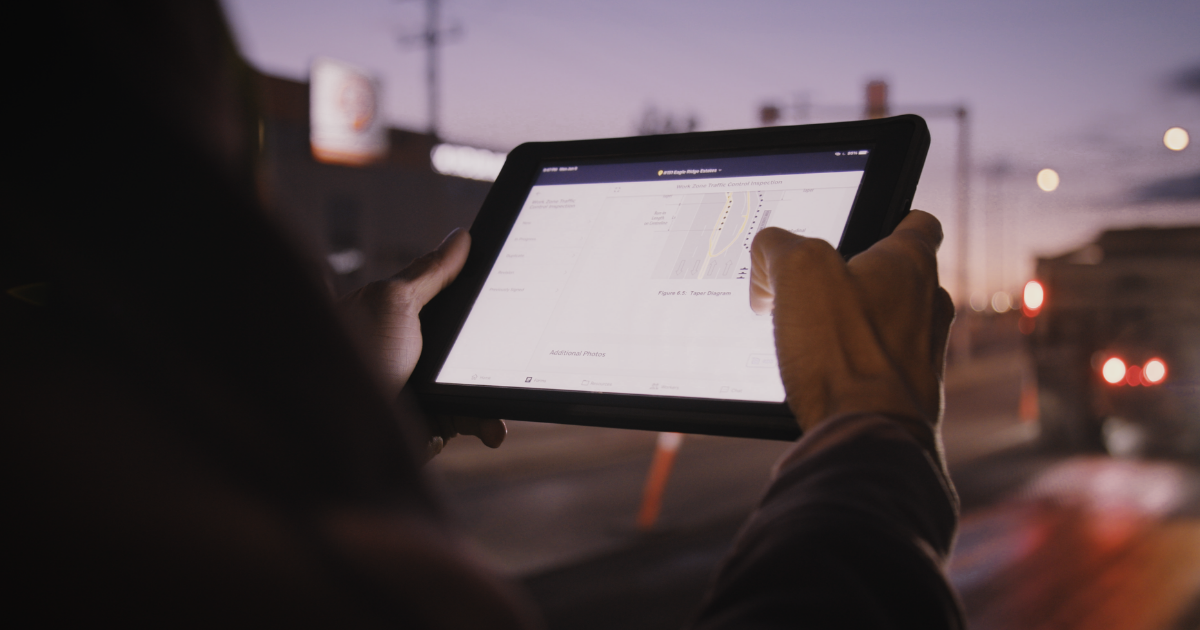
Winter conditions increase risk across every jobsite. Ice, snow, poor visibility, and cold stress create hazards that can escalate quickly if teams don’t respond immediately. In these conditions, real-time reporting isn’t just helpful—it’s essential for protecting workers and maintaining control over operations.
The ability to see safety data as incidents occur allows for faster decisions, quicker intervention, and reduced exposure to serious incidents.
Real-Time Reporting Matters More in Winter
Winter hazards change rapidly, which means a clear walkway in the morning can become a slip hazard by noon, and delayed reporting can turn a minor issue into a serious incident. Real-time reporting ensures safety teams know what’s happening on the jobsite the moment an issue is identified.
When reporting is delayed, response times increase, communication breaks down, and corrective actions come too late. A reliable real-time reporting system closes this gap by providing immediate visibility into incidents, near misses, and unsafe conditions, even when crews are spread across multiple jobsites.
How Real-Time Reporting Improves Incident Response
A fast response is critical during winter operations. Real-time reporting allows safety teams to act while conditions are still manageable instead of reacting after damage or injury has occurred.
With real-time visibility, teams can:
- Respond immediately to slips, vehicle hazards, or access issues.
- Communicate corrective actions to crews without delay.
- Adjust work plans based on current site conditions.
The speed of real-time reporting reduces the severity of incidents and helps prevent repeat hazards during prolonged winter weather.
The Importance of Setting Up an Effective Real-Time Reporting System
An effective reporting system needs to be easy for field teams to use in harsh conditions. Mobile access is essential, as crews need to submit reports without having to return to a trailer or office.
Strong tools should support:
- Mobile reporting from the jobsite
- Photo capture for documenting winter hazards
- Instant notifications being sent to safety leadership
- Centralized access to all safety data
When reporting tools fit into daily workflows, reporting becomes consistent and reliable—even during high-risk winter operations.
How to Maintain Consistent Reporting Through Winter
Consistency is what makes reporting effective. With this in mind, safety leaders should reinforce expectations through training, toolbox talks, and routine check-ins with supervisors.
Reviewing reports daily helps teams spot emerging patterns and address issues before they escalate. When crews see that reports lead to immediate action, participation increases and reporting quality improves throughout the winter season.
Take Control of Winter Safety With Real-Time Reporting
Real-time reporting gives safety managers and field supervisors the visibility they need to act quickly when winter hazards appear. Safety management software like SiteDocs® helps teams instantly capture safety data, improve response times, and maintain control during the most challenging conditions. If your teams are still relying on delayed reporting, now is the time to upgrade. Request a demo to see how SiteDocs supports safer, faster winter operations.
Read More
Leveraging Technology for Better Winter Safety Reporting
Boost winter safety reporting with real-time visibility. Learn how technology strengthens construction safety reporting and supports safer jobsites.
What Is MRO Management? Why Maintenance Matters for Safety
Learn how MRO management helps ensure jobsite safety, equipment reliability, and compliance. Prevent downtime and improve operational efficiency.
Management of Change: A Simple Safety Guide
Learn about the management of change (MOC) process and how to implement it effectively. Discover how safety management software can enhance MOC.

