
The Essential Guide to Creating an Environmental Safety Compliance Manual
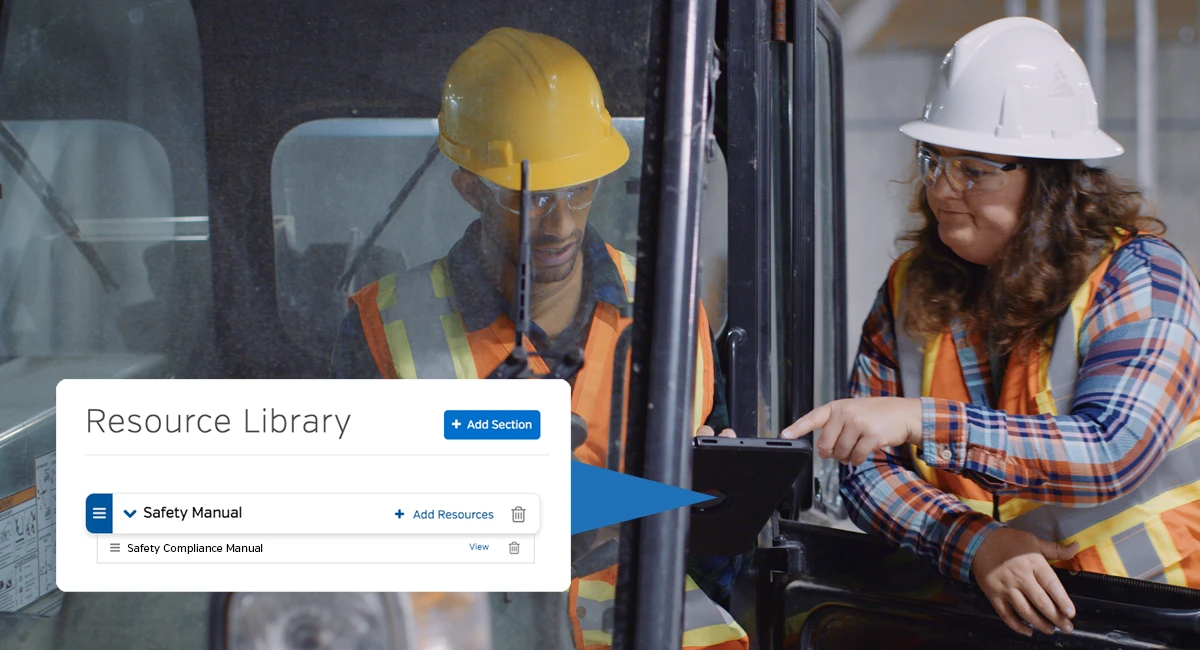
Every job site faces environmental and safety challenges. From managing hazardous materials to ensuring worker safety, there are countless factors to consider. An Environmental Safety Compliance Manual is the backbone of any successful safety program, providing clear guidelines for regulatory compliance and fostering a safe work environment.
Creating such a manual can seem daunting, but don’t worry—this guide will walk you through the essential steps. By the end, you’ll have the know-how to craft a reliable manual that keeps your site safe, compliant, and efficient.
Why an Environmental Safety Compliance Manual Is Crucial
Protecting Your Team and the Environment
Construction sites are filled with potential hazards. Without a clear plan, accidents can lead to injuries, costly fines, or long-term environmental damage. An Environmental Safety Compliance Manual provides clear protocols, significantly reducing these risks.
Meeting Regulatory Standards
Safety agencies impose strict environmental and safety guidelines. Having an updated compliance manual ensures you’re prepared for inspections, minimizing fines and legal issues.
Reducing Downtime and Costs
Accidents and violations can result in halted operations, affecting project timelines and budgets. A compliance manual prevents such disruptions, saving time, money and lives.
Key Elements of a Compliance Manual
1. Introduction to Safety & Environmental Compliance
Your manual should start with an overview of its purpose, including your company’s commitment to safety and sustainability. It demonstrates to employees and stakeholders that you prioritize these values.
2. Applicable Regulations & Standards
Outline the key local, state, and federal guidelines that apply to your site. For instance:
- OSHA Regulations: Covering worker safety standards in most of the US.
- Canadian Centre for Occupational Health and Safety (CCOHS): Promotes workplace health and safety across Canada by providing tools, resources, and training.
- Safe Work Australia: A national policy body that develops model workplace health and safety laws (the Model WHS Laws).
- UK Health and Safety Executive (HSE): The primary agency responsible for enforcing workplace health and safety laws in England, Scotland, and Wales.
- State/Province-Specific Laws: Tailored to your location or industry.
3. Site-Specific Hazards & Protocols
Every construction site comes with unique risks. Detail the hazards (e.g., heavy machinery, chemical spills) and provide step-by-step instructions for mitigating them.
4. Emergency Preparedness Plans
Include clear procedures for emergencies, such as chemical spills, fires, or severe weather events. Provide evacuation routes, contact numbers, and first-aid instructions.
5. Training & Responsibility
Detail who is responsible for enforcing the manual and the training programs required for employees. Accountability ensures everyone takes compliance seriously.
6. Record-Keeping & Documentation
Outline how workplace incidents, inspections, and compliance checklists should be documented. Keeping thorough records is crucial for audits and legal protection.
Steps to Develop Your Manual
Step 1: Evaluate Your Site & Risks
Inspect your site to identify potential hazards and review current compliance practices. This assessment will form the foundation of your manual.
Step 2: Research Regulatory Requirements
Consult relevant safety agency guidelines to ensure you understand all applicable laws. Consider hiring a consultant if the regulations are complex.
Step 3: Draft Clear Policies & Procedures
Use straightforward language to communicate safety measures. Avoid overly technical jargon to make the manual accessible to all employees.
Step 4: Create a Table of Contents
Organize the manual into clear sections, like “Fire Safety,” “Waste Disposal,” and “Training Requirements.” A well-structured table of contents makes it easy to reference the manual quickly.
Step 5: Review & Collaborate
Have safety officers, legal advisors, and environmental consultants review the draft to ensure it’s comprehensive and accurate.
Step 6: Distribute & Implement
Once finalized, provide a copy to every employee. Conduct training sessions to familiarize staff with the manual’s contents.
Tips for Maintaining Compliance Over Time
1. Regular Updates
Regulations change frequently, so schedule annual reviews to update your compliance manual. Stay informed about new laws and standards.
2. Employee Training & Engagement
Ongoing training ensures staff are always aware of the latest safety protocols. Incorporate quizzes or workshops to reinforce their understanding.
3. Periodic Audits
Conduct routine audits to identify any compliance gaps. Address issues immediately to avoid accidents or violations.
4. Promote a Safety-First Culture
Encourage open communication around safety concerns. When employees feel comfortable reporting issues, they become active participants in maintaining compliance.
Take Control of Safety & Compliance
An Environmental Safety Compliance Manual isn’t just a regulatory obligation—it’s a tool for building a safer, more efficient construction site. By outlining clear guidelines and staying proactive about updates and training, you’ll protect your team, your projects, and the environment.
If crafting a manual feels overwhelming, consider consulting industry experts or using compliance software.
Frequently Asked Questions
A safety and environmental health manual outlines your company’s policies and procedures for safe and environmentally responsible operations. It helps ensure proper safety practices, correct management of hazardous materials, and compliance with environmental laws, reducing accidents, fines, and liability.
A construction safety manual should include site-specific hazards, PPE requirements, fall protection, emergency response, training procedures, and documentation protocols. It should clearly define responsibilities for supervisors and workers to ensure accountability and compliance across all job sites.
An OSHA safety manual focuses specifically on compliance with OSHA regulations. It provides detailed standards on topics like hazard communication, electrical safety, fall protection, and recordkeeping to ensure federal safety requirements are met.
Maintaining an OSHA compliance manual helps businesses stay aligned with federal safety laws, avoid costly citations, and ensure consistent safety practices. It also serves as a clear reference for audits and inspections, demonstrating your company’s commitment to worker protection and regulatory adherence.
An OSHA safety compliance manual standardizes safety procedures across teams, reducing confusion and risk. It ensures workers understand reporting protocols, emergency responses, and compliance expectations, helping prevent violations and improving productivity on site.
Read More

How to Turn Field Safety Activity into a Broker-Ready Insurance Story
Learn how field safety records can become organized risk management data that supports workers’ comp renewal and broker conversations.

Leading vs. Lagging Safety Indicators: What Should You Track?
Learn the difference between leading and lagging safety indicators, which metrics to track, and how they give a clearer view of safety performance.

How to Build a Broker-Ready Workers’ Comp Renewal Kit
Learn how to organize safety records, leading indicators, incident data, and corrective actions into a broker-ready workers’ comp renewal kit.


SafeTrades NEW
Safety Consultant Program